
Cookware Tech &
Kitchen Knowledge.
Discover expert tips, non-stick maintenance guides, and manufacturing insights.
View Catalogue
Crafting Quality
Since 1990.
Learn how Kiam engineers durable pressure cookers and appliances.
About Factory
Export News &
Market Trends.
Valuable trade resources for international kitchenware buyers and distributors.
B2B Enquiry2026 How to Choose an Inner Lid Pressure Cooker?
Table of Contents
- What Is an Inner Lid Pressure Cooker and How Does It Work?
- Which Capacity, Material, and Cooking Features Match Your Needs?
- How to Evaluate Safety Systems, Sealing Design, and Pressure Control?
- What Should You Check for Ease of Use, Cleaning, and Maintenance?
- How to Compare Energy Efficiency, Durability, Warranty, and Price?
- FAQS
- Conclusion
- Related Posts
Choosing an Inner Lid Pressure Cooker in 2026 requires more than comparing prices and polished product photos. A dependable cooker should match your cooking habits, kitchen space, and comfort with pressure cooking. A six-liter model may suit a family, while a smaller cooker can feel easier to control for one or two people.
Safety deserves close attention. Examine the locking handle, pressure indicator, release valve, and sealing gasket before considering extra features. These parts should feel solid and operate without excessive force. Clear pressure markings also matter, especially when steam clouds the lid during cooking. Look for materials that resist corrosion and handles that stay stable near heat. Certification and warranty information can support a more reliable purchase, but they should not replace careful inspection.
Practical details often decide satisfaction. Check whether the inner lid removes easily for cleaning, whether replacement gaskets are available, and whether the base works with your stovetop. A thick, even base can reduce scorching when cooking beans, rice, or slow-braised meat. Reviews are useful when they describe months of actual use, not only the first unboxing. Still, every review has limits. Cooking methods differ, and one person’s “easy” may feel awkward to another. No model is perfect. This guide will examine capacity, construction, safety design, maintenance, and long-term value, helping readers choose with evidence rather than excitement. Take a careful look.
What Is an Inner Lid Pressure Cooker and How Does It Work?
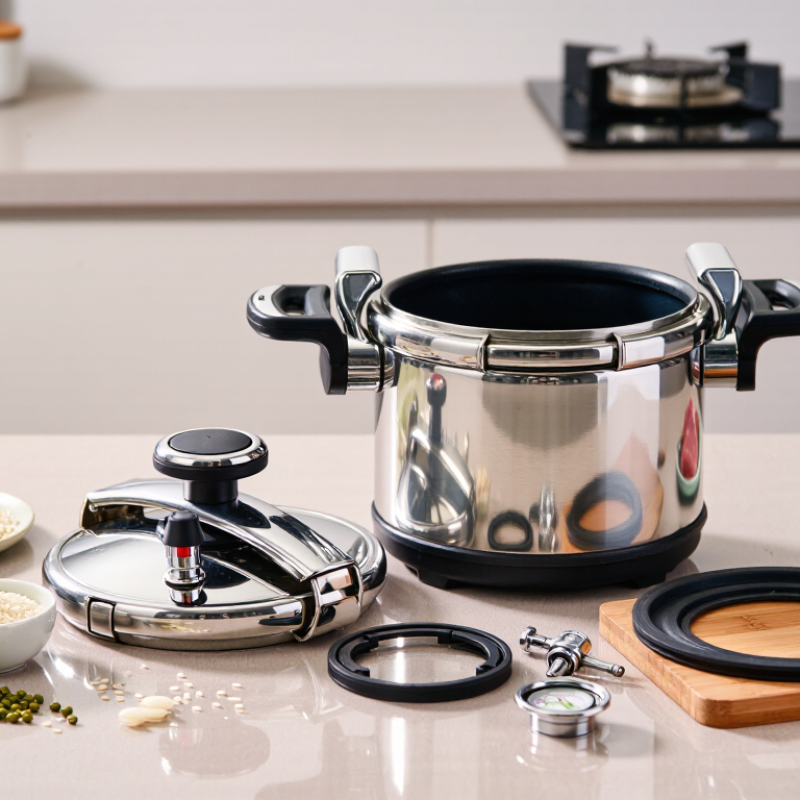
An inner lid pressure cooker has a lid that fits inside the pot’s rim. A sealing ring sits around the lid edge. When locked, the lid forms a tight cooking chamber. Heat turns water into steam, raising pressure inside the pot. Higher pressure increases the boiling temperature, so food cooks faster than in an uncovered saucepan.
Most models use a pressure indicator and a release valve. The valve controls excess steam. A safety lock should prevent opening while pressure remains inside. Listen for a steady hiss, not violent sputtering.
Before choosing one, check the lid’s locking movement, gasket quality, and pressure markings. A thick stainless-steel body usually resists stains and uneven heating. The handle should stay cool enough for careful handling.
Size matters too. A small cooker suits grains, vegetables, and two-person meals. Larger pots help with beans, stock, or family portions. Confirm that replacement seals are available and that the pressure indicator is easy to read. Some lids feel awkward at first. That is worth practicing with cold water. Read the instructions carefully, because pressure settings and release methods differ. I would not treat every cooker as foolproof. Steam can burn quickly, and an old gasket may fail quietly. Inspect the seal before each use, keep the vent clear, and never force the lid open.
Which Capacity, Material, and Cooking Features Match Your Needs?
2026 How to Choose an Inner Lid Pressure Cooker?
Choosing an inner lid pressure cooker starts with your household, not the largest number on the box. A two-person kitchen often works well with a 3–4 liter pot. Families may need 5–6 liters for soup, beans, or several servings. Leave room for pressure cooking. Never fill it to the rim. I once chose a pot that looked practical, yet its wide body crowded my small stovetop. Measure cabinet space and burner size before buying.
Stainless steel inner pots resist staining and support frequent use. Thick aluminum heats quickly and usually weighs less. However, it may discolor or react with acidic foods without proper protection. A sturdy lid seal, clear pressure indicator, and heat-resistant handles matter more than glossy finishes. Check replacement sealing rings and safety valves before purchase. Reliable maintenance is part of ownership. Product manuals and recognized safety testing should guide your decision.
This is not glamorous.
Choose cooking features based on meals you actually prepare. Slow cooking, steaming, browning, and delayed start can reduce extra equipment. Browning helps develop flavor before pressure cooking. A removable rack keeps fish above the broth. Digital controls are convenient, but simple buttons may be easier to inspect. I still question menus with too many programs. More settings can create confusion when timing beans or tough cuts. Test the cooker against one ordinary week of meals.
How to Evaluate Safety Systems, Sealing Design, and Pressure Control?
Choosing an inner-lid pressure cooker starts with the safety system, not its capacity. The World Health Organization reports about 11 million burn injuries worldwide each year, with many occurring at home. A cooker should include a pressure-locking lid, an independent steam-release path, and a backup overpressure valve. The lid must remain locked while internal pressure is high. Look for clear mechanical indicators, not only electronic signals. A small red pin you can see from across the kitchen is useful. It is also easier to inspect.
The sealing design deserves close attention. Choose a food-grade gasket that sits evenly inside a rigid sealing channel. Uneven compression can cause steam leakage, especially after repeated heating cycles. The European standard EN 12778 evaluates household pressure cookers for construction, pressure control, and safety performance. Use it as a reference when comparing technical specifications. Pressure control should hold a stable working range instead of producing sharp bursts of steam. A cooker that hisses constantly may be poorly adjusted, overloaded, or simply misunderstood.
Tips: Check the gasket, valve, and lid rim before every use. Replace damaged parts promptly. Never force the lid open. Test the empty locking movement only when the cooker is cool. I would also keep a simple inspection record after heavy use. That sounds excessive, but memory is unreliable. No safety system is perfect. Cleaning mistakes can quietly defeat good engineering. When specifications are vague, choose the clearer design and ask for independent test documentation.
What Should You Check for Ease of Use, Cleaning, and Maintenance?
How to Choose an Inner Lid Pressure Cooker in 2026
An inner lid pressure cooker should feel simple before it feels powerful. During testing, check whether the lid aligns without force. The locking mark should be visible from standing height. A large pressure indicator helps when steam clouds the kitchen window. The handle should stay cool and offer a firm grip, even with wet hands. The U.S. Department of Agriculture recommends 165°F (74°C) for poultry and leftovers, so choose a model with a readable, reliable pressure and temperature display. Guessing is not a cooking method.
Cleaning often decides whether the cooker stays useful. Look for a removable sealing ring, detachable pressure valve, and dishwasher-safe parts. Narrow valve channels can trap rice starch and dried sauce. That small detail becomes annoying quickly. Inspect the inner lid after each use. Food residue around the gasket may cause odors, weak sealing, or uneven pressure. The U.S. Food and Drug Administration emphasizes cleaning food-contact surfaces to reduce contamination risks. A smooth stainless-steel interior is usually easier to examine than a heavily textured surface.
Tips: Keep a soft brush near the cooker. Wash the gasket separately and let it air-dry fully. Replace it when it becomes loose, cracked, or permanently stretched. Do not rely only on appearance. I once overlooked a stiff valve because the cooker still worked. That was careless. Check the manual’s maintenance interval, test the lid seal with water, and record replacement dates. A cooker that cleans quickly is more likely to be maintained correctly.
2026 How to Choose an Inner Lid Pressure Cooker?
What should you check for ease of use, cleaning, and maintenance?
Use this 100-point checklist when comparing inner-lid pressure cookers. Give priority to clear lid-lock indicators, controlled steam release, removable sealing parts, accessible cleaning surfaces, and clearly documented replacement intervals. A higher score indicates greater importance during everyday use and maintenance; it is a practical evaluation framework rather than brand or company data.
How to Compare Energy Efficiency, Durability, Warranty, and Price?
How to Choose an Inner Lid Pressure Cooker in 2026
Energy efficiency should be measured, not guessed. The International Energy Agency reports that appliances and equipment consume about 15% of global electricity. A pressure cooker may shorten cooking time, but heating power varies widely. Use a plug-in energy meter during rice, beans, and stew tests. Record watt-hours, cooking time, and standby use. An efficient model should seal quickly and avoid repeated heating. My first comparison often ignored warm-up energy. That was a mistake.
Durability depends on the lid structure, gasket, valve, and inner pot. Look for stainless steel parts, replaceable sealing rings, and clear pressure indicators. The U.S. Consumer Product Safety Commission stresses regular inspection of pressure-cooking components. Check whether spare parts remain available. A heavy lid is not automatically stronger. Examine hinges and locking movement after several cycles. Small details matter. Independent laboratory testing is more reliable than advertising claims.
Warranty terms reveal the manufacturer’s confidence, but exclusions can reduce their value. Compare coverage length, gasket protection, repair procedures, and shipping costs. A 2024 Deloitte consumer research report found that price remains important, while buyers increasingly consider product longevity and service. Calculate total ownership cost: purchase price, electricity, replacement parts, and possible repairs. The cheapest cooker may become expensive after repeated gasket replacements. I would also leave room for doubt, because published efficiency figures rarely match every kitchen.
FAQS
A two-person household often needs a 3–4 liter cooker. Measure your cabinet and burner space before buying. Measure twice.
Families may prefer 5–6 liters for soup, beans, or several servings. Leave space for pressure cooking. Never fill it to the rim.
Stainless steel resists stains and suits frequent cooking. Thick aluminum heats quickly and weighs less. However, acidic foods may cause discoloration.
Look for a sturdy sealing ring, clear pressure indicator, and heat-resistant handles. Check replacement valves and sealing rings before purchase. Small details matter.
Useful features include steaming, browning, slow cooking, and delayed start. Too many menus may confuse cooking times. I remain unconvinced by crowded control panels.
Use a plug-in energy meter during rice, beans, and stew tests. Record watt-hours, cooking time, and standby use. Guessing is unreliable.
Inspect the lid structure, gasket, valve, inner pot, hinges, and locking movement. Replaceable parts support longer ownership. A heavy lid is not automatically stronger.
Include electricity, replacement parts, shipping, and possible repairs. A cheaper cooker may cost more after repeated gasket replacements. Published efficiency figures may not match your kitchen.
Conclusion
Choosing the right Inner Lid Pressure Cooker starts with understanding how its inner-fitting lid, sealing ring, and pressure-release system work together to build and regulate steam pressure. Consider the capacity based on household size and meal volume, then compare materials such as stainless steel or other durable food-safe options. Useful cooking features may include adjustable pressure levels, clear indicators, multiple cooking programs, and compatibility with your preferred stovetop or power source.
Safety should be a priority, so examine the locking mechanism, pressure-control valve, backup release system, and sealing design. For everyday convenience, check whether the handles are comfortable, the lid is easy to open and close, and the removable parts are simple to clean and replace. Finally, compare energy efficiency, construction quality, expected service life, warranty coverage, spare-part availability, and total price. A well-balanced choice should provide reliable cooking performance, practical maintenance, and strong long-term value rather than focusing only on the lowest purchase cost.

Blog Tags: