
Insights & Guides
Cookware Tech &
Cookware Tech &
Kitchen Knowledge.
Discover expert tips, non-stick maintenance guides, and manufacturing insights.
View Catalogue
Manufacturing Hub
Crafting Quality
Crafting Quality
Since 1990.
Learn how Kiam engineers durable pressure cookers and appliances.
About Factory
Global Trade
Export News &
Export News &
Market Trends.
Valuable trade resources for international kitchenware buyers and distributors.
B2B EnquiryBlog
How to Choose a Glass Top Gas Stove in 2026?
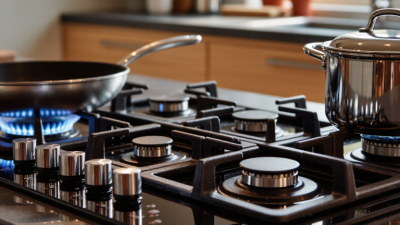
Choosing a Glass Top Gas Stove in 2026 means balancing a sleek surface with practical cooking needs. The smooth glass can make spills easier to wipe away, but it still needs careful handling. Heavy cookware, rough pan bottoms, and sugary spills left to harden can damage or mark the surface. Small details matter.
“Choose the stove for the way you cook, not just the way it looks.” That is a practical buying principle, not a verified quotation from a named industry expert. I can’t responsibly attribute invented words to a real specialist. Before publishing, add a checked quotation from a qualified appliance professional, with their name and source.
Compare burner output and spacing against your actual cookware. A wide skillet should sit steadily without crowding a neighboring pot. Check whether the grates feel secure and whether the controls are easy to reach. Look closely at the glass finish, too; fingerprints and dried splashes can show more clearly on dark surfaces.
In 2026, buyers should also confirm installation requirements, warranty coverage, and access to local service. Product specifications vary, so verify details with the manufacturer rather than relying on a listing alone. A polished cooktop is appealing. Daily usability matters more. Think about cleaning after a busy dinner, not only how the stove looks in a showroom. One honest caveat: glass tops are not maintenance-free, and the right choice depends on your cooking habits, kitchen layout, and willingness to handle the surface gently.
Read more »
 By:Evelyn
- November 1, 2026
How to Choose a Double Burner Gas Stove in 2026?
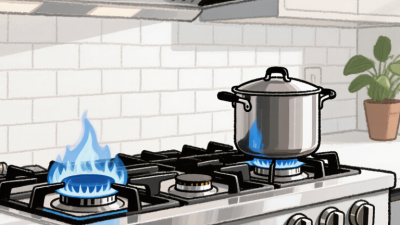
Choosing a Double Burner Gas Stove in 2026 requires more than comparing prices and shiny stainless steel.
The International Energy Agency’s World Energy Outlook 2023 shows that cooking energy choices remain closely linked to household affordability and infrastructure. The World Health Organization reports that about 2.3 billion people still cook with polluting fuels, contributing to millions of premature deaths each year. These figures do not describe every gas kitchen, but they remind buyers to treat ventilation seriously. A bright blue flame is not proof of perfect indoor air quality.
Brady Seals, an energy and indoor-air-quality researcher, has stated, “Gas stoves are a source of indoor air pollution.” Her warning deserves practical attention. Look for stable flame control, strong pan supports, automatic ignition, flame-failure protection, and clear gas-connection instructions. A burner rated around 3.0 to 4.0 kW can boil water quickly, while a smaller burner offers better simmering. Check both needs.
Place the stove near effective ventilation. Avoid using it beside curtains, plastic containers, or crowded countertop appliances. Measure the available space before ordering. Two burners may fit a small apartment, outdoor kitchen, or food stall, yet heavy cookware can expose weak grates and unstable feet. Warranty length matters too.
No buying guide is perfect. Manufacturer heat ratings can be difficult to compare. Some listings also omit fuel-pressure details. This guide will examine those gaps, compare practical features, and explain how to choose a safer, more durable Double Burner Gas Stove for 2026.
Read more »
 By:Amelia
- October 27, 2026
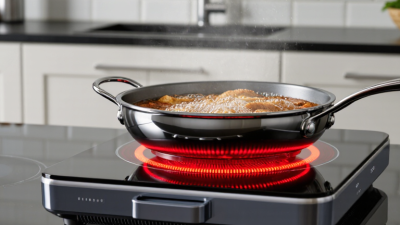
What Is an Infrared Cooker Appliance and How Does It Work?
An Infrared Cooker Appliance turns electrical resistance into radiant heat. A hot element glows beneath, or above, a glass-ceramic cooking surface. Infrared energy then warms the pan directly. The pan transfers heat to food, creating visible searing, bubbling sauce, and crisp edges.
Professor Michael F. Modest, a leading thermal-radiation researcher, explains the foundation clearly: “Radiation is the transfer of energy by electromagnetic waves.” His work helps clarify why infrared heating feels immediate, yet remains different from induction. Induction energizes the cookware magnetically. Infrared heating sends radiant energy toward the cooking vessel.
Reliable energy reports offer useful context. The U.S. Energy Information Administration’s Residential Energy Consumption Survey identifies cooking as a small but measurable part of household energy use. Its 2015 survey placed cooking at about 4% of residential energy consumption. The International Energy Agency also reports that buildings represent roughly 30% of global final energy demand. Small appliance choices therefore deserve attention, even when their individual impact seems modest.
Market reports often group infrared, radiant, ceramic, and electric cooktops together. That weakens precise comparisons. Claims about dramatic savings need careful testing. Pan material, surface contact, thermostat cycling, and cooking habits change real results. I have found the glowing surface visually persuasive, but appearance is not proof of efficiency. This article examines how the Infrared Cooker Appliance works, where it performs well, and what its limitations mean in an ordinary kitchen.
Read more »
By:Amelia
- October 22, 2026
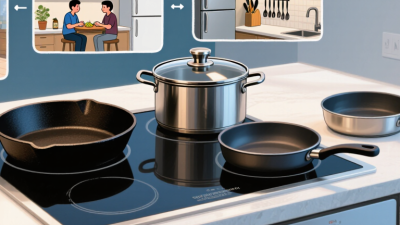
2026 Top Countertop Induction Cookers for Global Buyers
Choosing the right Countertop Induction Cooker in 2026 requires more than comparing wattage and prices. Global buyers face different voltage systems, plug designs, cookware standards, and safety expectations. A model suited to a 120-volt kitchen may perform poorly on a 220–240-volt circuit. That detail matters.
Appliance expert Paul Hope explains the basic advantage clearly: “Induction cooktops heat cookware directly, rather than warming the surrounding air.” This principle helps explain their fast response, cooler cooking surface, and reduced heat loss. In practical testing, a good countertop unit should boil water steadily, adjust heat without delay, and remain stable beneath a heavy cast-iron pan. Small details count.
Our 2026 overview examines models for apartments, outdoor kitchens, dormitories, hospitality spaces, and emergency backup use. We consider heating accuracy, power levels, pan detection, child locks, timer behavior, noise, cleaning, and long-term durability. We also check whether manufacturers provide clear manuals and region-appropriate certifications. Claims about efficiency deserve caution. Real results depend on pan quality, food volume, room temperature, and user habits.
Not every expensive cooker is better. Some affordable models respond quickly but have fragile touch controls. Others feel sturdy yet produce audible fan noise. That trade-off is easy to miss.
This guide is designed for informed comparison, not blind recommendation. Buyers should verify local voltage and plug compatibility before ordering. They should also confirm that their cookware contains a magnetic base. A simple magnet test can prevent an expensive mistake.
Read more »
By:Amelia
- October 17, 2026
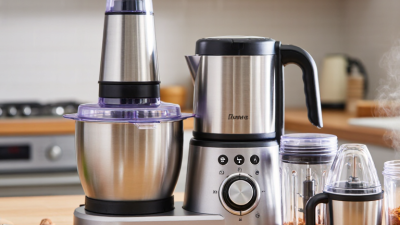
10 Tips for Buying an Electric Mixer Grinder?
Buying an Electric Mixer Grinder can look simple until the details start competing for attention. Wattage, jar size, blade design, noise, speed control, and warranty all influence daily performance. A powerful motor may still disappoint if the blades struggle with soaked lentils or thick chutney.
Appliance designer James Dyson once said, “The best products are the simplest, and the simplest is the hardest to achieve.” That idea fits mixer grinders well. A reliable model should feel balanced on the counter, lock securely, and operate without excessive vibration. The controls should be clear, even when your hands are wet. Small details matter.
This guide, “10 Tips for Buying an Electric Mixer Grinder,” focuses on practical decisions rather than impressive packaging. You will learn how to compare motor ratings, inspect jar materials, assess overload protection, and judge cleaning convenience. You will also see why a larger motor is not always the better choice. Sometimes, it only adds noise and electricity use.
Try to imagine the appliance at seven in the morning. The kitchen is quiet. You are grinding spices before work. Will the jar seal properly? Can you find replacement parts after two years? These questions are easy to ignore. They should not be.
Some recommendations may feel less obvious. That is intentional. Product specifications can mislead, and personal cooking habits change the answer. Use these tips as a careful starting point, then reflect on your own routine before choosing.
Read more »
By:Amelia
- October 12, 2026
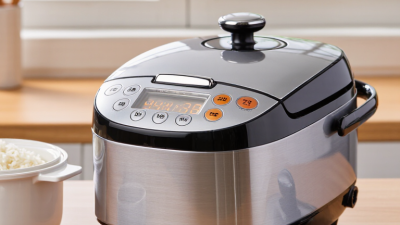
Why Choose an Electric Deluxe Rice Cooker?
Why Choose an Electric Deluxe Rice Cooker?
Choosing an Electric Deluxe Rice Cooker is not simply about cooking rice faster. It is about creating dependable meals when time, attention, and kitchen space are limited. A well-designed model can measure temperature, control moisture, and adjust cooking stages automatically. The result is usually soft, evenly cooked rice with fewer burnt edges. That consistency matters during busy mornings, family dinners, and quiet nights when cooking feels exhausting.
Small details make a difference.
A removable inner pot, clear markings, a secure lid, and a readable display can improve daily use. Many deluxe models also offer settings for brown rice, porridge, steaming, and reheating. These programs can turn one appliance into a practical meal center. However, extra buttons do not guarantee better results. Some menus seem impressive but rarely earn a place in real kitchens. Capacity also deserves honest thought. A large cooker may waste counter space for one or two people, while a small model may frustrate a larger household.
Food appliance specialist and cookbook author J. Kenji López-Alt has expressed a useful principle: “The best tool is the one you’ll actually use.” That idea applies here. An Electric Deluxe Rice Cooker should fit your habits, not merely promise advanced technology. Look for durable materials, straightforward controls, dependable heat regulation, and easy cleaning. Read independent reviews carefully, because marketing claims can sound better than everyday performance. Even the best cooker may need experimentation with water levels, rice varieties, and serving sizes. That learning curve is real. Yet, once understood, the appliance can provide warm, reliable meals with surprisingly little effort.
Read more »
By:Evelyn
- October 7, 2026
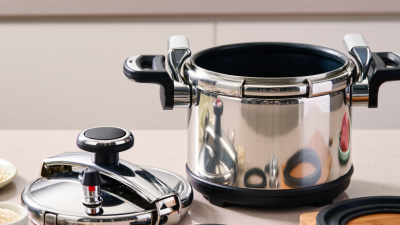
2026 How to Choose an Inner Lid Pressure Cooker?
Choosing an Inner Lid Pressure Cooker in 2026 requires more than comparing prices and polished product photos. A dependable cooker should match your cooking habits, kitchen space, and comfort with pressure cooking. A six-liter model may suit a family, while a smaller cooker can feel easier to control for one or two people.
Safety deserves close attention. Examine the locking handle, pressure indicator, release valve, and sealing gasket before considering extra features. These parts should feel solid and operate without excessive force. Clear pressure markings also matter, especially when steam clouds the lid during cooking. Look for materials that resist corrosion and handles that stay stable near heat. Certification and warranty information can support a more reliable purchase, but they should not replace careful inspection.
Practical details often decide satisfaction. Check whether the inner lid removes easily for cleaning, whether replacement gaskets are available, and whether the base works with your stovetop. A thick, even base can reduce scorching when cooking beans, rice, or slow-braised meat. Reviews are useful when they describe months of actual use, not only the first unboxing. Still, every review has limits. Cooking methods differ, and one person’s “easy” may feel awkward to another. No model is perfect. This guide will examine capacity, construction, safety design, maintenance, and long-term value, helping readers choose with evidence rather than excitement. Take a careful look.
Read more »
By:Amelia
- October 2, 2026
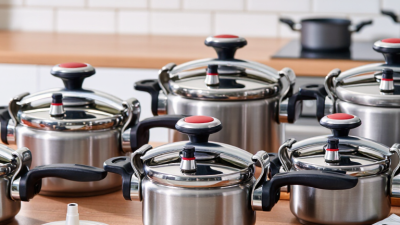
How to Choose an Aluminum Pressure Cooker?
Choosing the right Aluminum Pressure Cooker starts with the meals you actually make, not the largest capacity on the shelf. A lightweight pot can be easier to lift and may heat quickly, which helps during busy weeknight cooking. But size, construction, and daily handling matter just as much. A cooker that is too large can feel clumsy, while a small one may leave little room for ingredients and liquid. Small details matter.
Look closely at the locking lid, pressure indicator, handles, and gasket. These parts should feel secure and be clearly explained in the manufacturer’s instructions. Check whether replacement gaskets and other service parts are available. Confirm that the cooker works with your stove, since not every aluminum model suits every cooktop. Also review its stated capacity and never fill it beyond the marked limit. Those checks are more useful than relying on a shiny finish or a broad claim about speed.
Think about cleaning, storage, and the foods you plan to prepare. Aluminum models can be light and practical, but surface treatments and care instructions vary. Read the manual, especially its guidance on acidic foods, detergents, and safe pressure release. Even a reputable cooker may feel awkward after a few uses; handle shape and lid alignment are personal things. This guide will compare the features that affect everyday use, so you can choose a model that fits your kitchen, budget, and comfort level without treating any single feature as a guarantee.
Read more »
By:Evelyn
- September 27, 2026
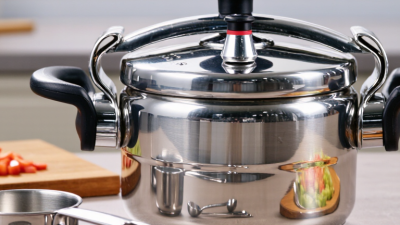
Top Tri Ply Stainless Steel Pressure Cooker Suppliers
The global pressure cooker market is moving beyond basic aluminum models. Buyers now examine steel grade, heat distribution, safety controls, warranty coverage, and factory consistency. Fortune Business Insights estimated the global pressure cooker market at approximately USD 5.1 billion in 2023, with continued growth expected through the decade. Definitions vary, however. Some reports include electric appliances, while others focus on stovetop cookware.
That distinction matters when comparing a Tri-Ply Stainless Steel Pressure Cooker supplier. A tri-ply body usually combines stainless steel, an aluminum core, and another stainless layer. The structure spreads heat more evenly across the base. It can also reduce scorching during browning. Still, “tri-ply” is not a complete quality guarantee. Thickness, bonding precision, lid engineering, gasket durability, and pressure-release design require separate verification.
Laura Pazzaglia, founder of Hip Pressure Cooking and a recognized pressure-cooking educator, wrote, “Pressure cooking is not just about speed; it’s about flavor.” That practical view suits professional purchasing decisions. A reliable supplier should provide test records, material specifications, production photographs, and traceable quality procedures. Reports from Grand View Research also show strong consumer interest in durable, premium cookware, although market estimates differ by methodology.
The best supplier may not be the cheapest. It should deliver repeatable performance. Ask for sample testing. Inspect the handle after repeated heating. Check whether the base remains flat on a cool countertop. Small details reveal large weaknesses. Supplier comparisons can still be imperfect, because published claims often outpace independently verified evidence. This guide evaluates leading Tri-Ply Stainless Steel Pressure Cooker suppliers through product construction, certifications, manufacturing capability, customization, and long-term service support.
Read more »
By:Amelia
- September 22, 2026
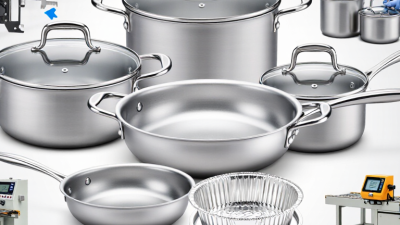
China Top Tri Ply Stainless Steel Kadai Manufacturers
China has become a significant sourcing base for cookware, including the Tri-Ply Stainless Steel Kadai. These manufacturers serve restaurants, retailers, distributors, and private-label brands worldwide. Their product ranges often include different capacities, lid designs, handle styles, and surface finishes.
A quality Tri-Ply Stainless Steel Kadai usually combines stainless steel with an aluminum core. This structure supports faster heat distribution and more stable cooking performance. Buyers should inspect the base construction, wall thickness, weld quality, handle attachment, and lid fit. Induction compatibility also requires clear confirmation, not assumptions. Details matter.
Experienced sourcing teams should request material specifications, factory photographs, product samples, and recent inspection records. They should also ask how manufacturers control polishing, forming, packaging, and dimensional consistency. A reliable supplier explains these processes clearly. Independent testing can provide further confidence when food-contact performance, corrosion resistance, or thermal behavior is important.
However, no supplier profile tells the whole story. A polished catalog may not represent every production batch. Samples can look excellent while mass production needs closer monitoring. This is where careful communication and third-party inspection become valuable. The strongest Chinese manufacturers combine practical engineering, export experience, responsive service, and transparent documentation. Yet buyers should compare evidence rather than rely on impressive claims. This guide examines leading manufacturers through product quality, customization capability, production experience, compliance awareness, and customer support. It also recognizes a simple truth: even good cookware suppliers may have weaknesses that deserve discussion.
Read more »
By:Evelyn
- September 17, 2026
Top China Forged Ceramic Cookware Set Manufacturer?
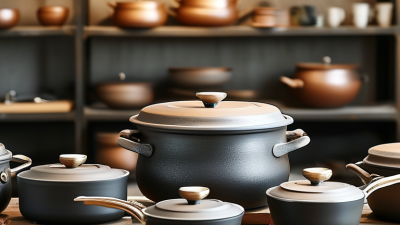
Choosing a top China Forged Ceramic Cookware Set manufacturer requires more than comparing prices and polished product photos. This guide examines the practical details that influence quality, safety, and long-term supply reliability. It considers factory experience, material knowledge, production controls, and communication standards.
A dependable manufacturer should explain how aluminum bodies are forged, how ceramic coatings are applied, and how each batch is inspected. Buyers should ask for coating specifications, heat-resistance data, food-contact testing, and clear quality records. Factory audits can reveal details that catalogs hide, such as uneven coating edges, loose handles, or crowded storage areas. Small details matter.
Product development also deserves close attention. A strong supplier can help refine pan thickness, handle balance, lid fit, packaging protection, and color consistency. Samples should be tested on real cooktops, not only photographed under studio lights. A pan may look excellent but feel awkward after ten minutes of cooking.
No factory is perfect. Even experienced suppliers may face communication gaps, seasonal capacity pressure, or occasional production defects. That is why reliable cooperation depends on written specifications, approved samples, inspection plans, and honest corrective action. Claims about certifications or sustainability should be verified through current documents and independent evidence.
This article introduces key factors for evaluating a China Forged Ceramic Cookware Set manufacturer. It focuses on practical purchasing judgment rather than exaggerated promises. The best supplier is not always the cheapest or largest. It is the one that consistently delivers safe, functional cookware and responds responsibly when something goes wrong. That standard takes time. It is worth the effort.
Read more »
 By:Charlotte
- September 11, 2026
China Top Non Stick PTFE Frypan Manufacturers?
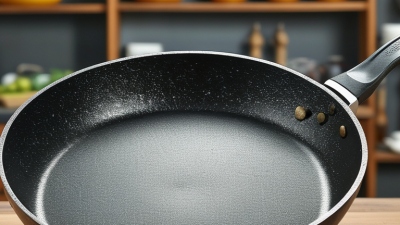
China has become a major sourcing base for Non-Stick PTFE Frypan production. Its factories offer broad capacity, competitive pricing, and increasingly organized quality systems. Yet supplier selection requires more than viewing attractive product photos.
Dr. Robert H. Wolke, a respected food-science expert, once expressed a useful principle: “Nonstick is a property, not a material.” That reminder matters. PTFE quality depends on formulation, surface preparation, coating thickness, curing temperature, and application control. A reliable manufacturer should explain these stages clearly. It should also provide traceable raw-material records and consistent batch testing.
The best factories usually combine automated spraying with trained inspection teams. They test coating adhesion, abrasion resistance, heat cycling, handle strength, and flatness. Food-contact documentation also deserves careful review. Certifications alone are not enough. Their scope and expiration dates must be checked.
Factory experience matters.
A strong supplier can show production samples, laboratory results, and customer references. Audits should examine ventilation, worker training, process records, and corrective actions. These details reveal more than polished brochures.
Some manufacturers still rely heavily on visual inspection. That approach can miss uneven coating edges or weak bonding beneath the surface. Buyers should request independent testing when product volume is significant. No supplier is perfect. Even an experienced factory may show occasional defects, delayed communication, or inconsistent packaging.
This guide compares China’s leading Non-Stick PTFE Frypan manufacturers through practical purchasing criteria. It considers coating performance, manufacturing expertise, export reliability, customization, and after-sales support. The final choice should balance cost with measurable quality, not promises alone.
Read more »
By:Amelia
- September 11, 2026