
Kiam cookware and kitchenware blog insights
Insights & Guides

Cookware Tech &
Kitchen Knowledge.

Discover expert tips, non-stick maintenance guides, and manufacturing insights.

View Catalogue
Manufacturing excellence in cookware and pressure cookers
Manufacturing Hub

Crafting Quality
Since 1990.

Learn how Kiam engineers durable pressure cookers and appliances.

About Factory

Kiam B2B export news and industry resources
Global Trade

Export News &
Market Trends.

Valuable trade resources for international kitchenware buyers and distributors.

B2B Enquiry
0%

Buying an Electric Mixer Grinder can look simple until the details start competing for attention. Wattage, jar size, blade design, noise, speed control, and warranty all influence daily performance. A powerful motor may still disappoint if the blades struggle with soaked lentils or thick chutney.

Appliance designer James Dyson once said, “The best products are the simplest, and the simplest is the hardest to achieve.” That idea fits mixer grinders well. A reliable model should feel balanced on the counter, lock securely, and operate without excessive vibration. The controls should be clear, even when your hands are wet. Small details matter.

This guide, “10 Tips for Buying an Electric Mixer Grinder,” focuses on practical decisions rather than impressive packaging. You will learn how to compare motor ratings, inspect jar materials, assess overload protection, and judge cleaning convenience. You will also see why a larger motor is not always the better choice. Sometimes, it only adds noise and electricity use.

Try to imagine the appliance at seven in the morning. The kitchen is quiet. You are grinding spices before work. Will the jar seal properly? Can you find replacement parts after two years? These questions are easy to ignore. They should not be.

Some recommendations may feel less obvious. That is intentional. Product specifications can mislead, and personal cooking habits change the answer. Use these tips as a careful starting point, then reflect on your own routine before choosing.
10 Tips for Buying an Electric Mixer Grinder?

Define Your Cooking Needs and Choose the Right Mixer Grinder Type

10 Tips for Buying an Electric Mixer Grinder?

Define Your Cooking Needs and Choose the Right Mixer Grinder Type

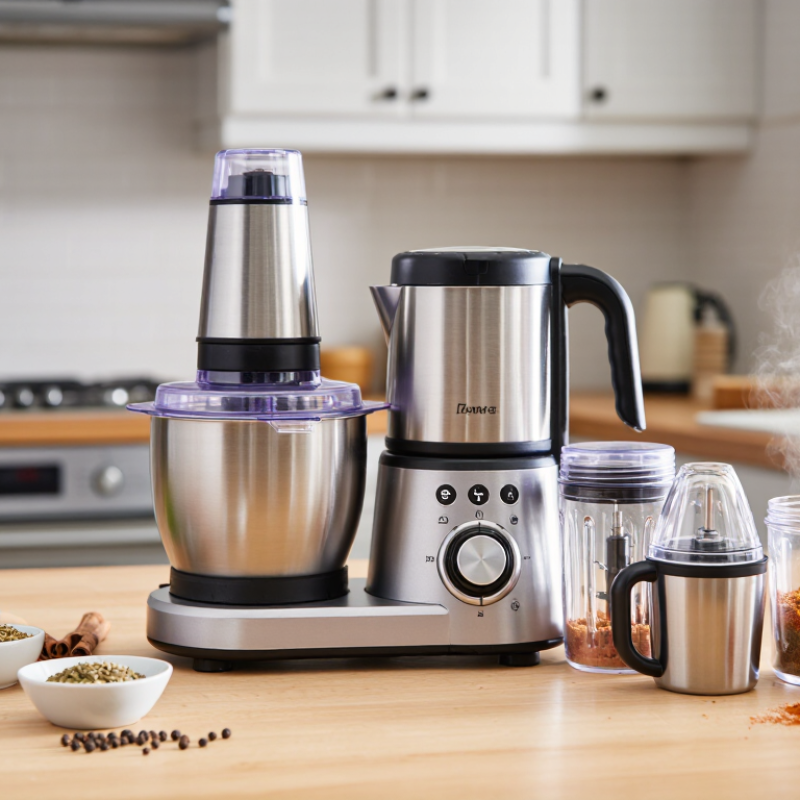
Start with your cooking habits, not the motor’s headline wattage. Do you grind spices, blend smoothies, prepare chutneys, or knead dough? A compact mixer grinder suits small portions and limited counter space. A heavier model works better for frequent batches, thick pastes, and hard ingredients.

Check the jar sizes carefully. A 300–500 millilitre jar handles spices and small sauces. A 1–1.5 litre jar is more practical for family meals. Wet grinding needs a sturdy jar and a tight lid. Dry grinding needs sharp, durable blades. For dough, choose a model with a suitable attachment, if available. Do not assume every “multipurpose” appliance performs each task equally well.

Industry data supports this practical approach. Fortune Business Insights projects steady growth in the global mixer grinder market through 2032, driven partly by demand for convenient home food preparation. Grand View Research also identifies multifunctional small kitchen appliances as a growing category. Still, those reports describe market direction, not your kitchen. A high-wattage motor may sound impressive, yet it can waste space and energy for occasional users. I would compare noise, jar balance, overload protection, and replacement-part access before chasing maximum power. That judgment is imperfect, but real cooking often exposes marketing claims quickly. Test the grip with wet hands. Imagine cleaning it after a hurried weekday meal.

Check Motor Power, Speed Settings, and Grinding Performance

10 Tips for Buying an Electric Mixer Grinder?

When I test an electric mixer grinder, I begin with the motor, not the appearance. A 500–750 watt motor usually handles daily cooking tasks well. Hard spices and thick mixtures may need higher power. However, wattage alone does not prove quality. My earlier assumption was wrong. A powerful motor can still perform poorly with weak blades or poor ventilation.

Speed settings matter during real cooking. A low setting helps blend soft ingredients without splashing. Medium speed works well for batters and chopped vegetables. High speed is useful for smooth pastes, but it can heat delicate mixtures. Pulse control is valuable for short bursts. I prefer firm controls that respond quickly. Some controls feel confusing at first.

Grinding performance should be tested with realistic ingredients. Try soaked lentils, dry cumin, ice, or coconut pieces when possible. The jar should produce an even texture without leaving large pieces at the bottom. Listen for harsh rattling. Excessive noise may indicate vibration or an unstable base. Check whether the motor becomes unusually hot after several minutes. A small pause may protect it, although instructions vary by model. I sometimes focus too much on speed and forget cleanup. Wide jars, secure lids, and removable parts make repeated use less frustrating. Read the rated operating time carefully, because continuous grinding can shorten motor life.

Compare Jar Materials, Capacities, and Blade Designs

10 Tips for Buying an Electric Mixer Grinder

Jar materials affect weight, durability, and cleaning effort. Stainless steel jars handle dry spices, coffee beans, and tough ingredients well. They resist stains, but their opaque walls hide the texture while blending. Glass jars show the mixture clearly and resist odor absorption. However, glass feels heavy and may crack after a hard impact. Food-grade plastic is lighter and easier to handle, yet scratches and lingering smells can become problems.

Capacity should match your regular portions, not occasional cooking. A 0.5 to 0.75-liter jar suits spices, nuts, and small pastes. A 1 to 1.5-liter jar works better for chutney, soup, or baby food. Larger jars save time for family meals, but small batches may circulate poorly inside them. Check the minimum filling level. I once used a large jar for a few garlic cloves, and the blades barely touched them.

Blade design changes the final texture. Flat blades work efficiently with dry ingredients, while angled blades improve liquid circulation. Serrated edges can break fibrous vegetables, but they may make cleaning more difficult. Look for thick, corrosion-resistant steel and a tight shaft seal. Removable blades are convenient, though poorly fitted parts can leak. Examine the locking system and test whether the lid stays firm during operation. My judgment has changed over time: maximum power matters less than balanced blades, suitable capacity, and a jar you will actually clean.

Evaluate Safety Features, Noise Levels, and Ease of Cleaning

An electric mixer grinder should be judged beyond motor power. Check for overload protection, secure locking, insulated wiring, and a stable base. Look for compliance with IEC 60335-2-14, the household kitchen-machine safety standard. Keep hands away from blades, even when the appliance appears switched off. Unplug it before removing a jammed ingredient. This habit is easy to forget.

Noise deserves practical testing. NIOSH identifies 85 dBA over eight hours as a recommended occupational exposure limit. A short kitchen cycle is different, but harsh noise can still signal vibration or poor assembly. Run the machine briefly in a quiet shop, if possible. Listen for rattling, sudden pitch changes, and movement across the counter. Ask whether the stated noise rating uses a recognized test method. Many specifications remain unclear.

Cleaning affects daily hygiene more than attractive controls. CDC estimates that foodborne illnesses affect about 48 million people annually in the United States. Choose removable, dishwasher-safe parts with smooth corners and no narrow food traps. Inspect the blade seal closely. Water should not collect beneath it. Dry every component fully before storage. I once focused too much on speed and ignored a stubborn gasket groove. That was a poor choice. Also check whether the lid, jar, and base separate without tools. Ten minutes of cleaning after each use may sound excessive, yet neglected residue becomes harder to remove. Consider cord storage, dry-hand controls, and replacement-part availability before buying.

10 Tips for Buying an Electric Mixer Grinder

Evaluate safety features, noise levels, and ease of cleaning before choosing a mixer grinder for everyday use.

How to Read the Chart

Typical operating noise increases with motor power and harder ingredients. A lower decibel value generally indicates a more comfortable kitchen environment, although jar design, blade load, and operating speed also affect the result.

Safety Features

Look for a lid-lock mechanism, overload protection, thermal cut-off, non-slip feet, and insulated controls.

Noise Levels

Compare published decibel figures at the same distance and speed. Lower noise is especially useful in open-plan kitchens.

Ease of Cleaning

Choose removable blades, wide-mouth jars, smooth interiors, and dishwasher-safe parts where permitted by the manual.

The chart uses typical category-level operating benchmarks in dB SPL rather than data from any particular company or brand. Actual noise levels vary by model, speed, ingredients, and measurement distance.

Review Durability, Warranty Coverage, and Overall Value

10 Tips for Buying an Electric Mixer Grinder

Tip 1

Treat durability as a measurable feature, not a glossy promise. Check the motor housing, blade assembly, jar material, and ventilation openings. A heavy base usually reduces movement on the counter, but weight alone proves little. Look for overload protection and replaceable parts. I have found that loose jar couplings often reveal weak construction before the motor fails.

Tip 2

Read the warranty line by line. Confirm coverage for the motor, electrical controls, jars, blades, labor, and shipping. Some warranties exclude overheating, cracked containers, or commercial use. A five-year motor warranty may sound impressive, yet a six-month parts warranty can create expensive gaps. Ask whether authorized service exists near you. The European Commission reports that 77% of consumers prefer repairing products rather than replacing them, so repair access affects real value.

Tip 3

Compare the warranty with the purchase price and expected workload. The 2024 Global E-waste Monitor recorded 62 million tonnes of electronic waste in 2022, with only 22.3% formally collected and recycled. Longer service life matters. Choose a model with clear manuals, accessible parts, and a dated warranty card. Test a small batch of nuts or spices, if permitted, and listen for grinding noise, burning smells, or unusual vibration. My own mistake was trusting a powerful wattage number without checking replacement-part prices. Power is not durability.

FAQS

How should I choose the right mixer grinder type?

Match it to your cooking habits. Small models suit spices, sauces, and limited counter space. Heavier models handle thick pastes and frequent batches.

What jar capacity works for regular cooking?

A 300–500 millilitre jar suits spices and small sauces. A 1–1.5 litre jar works better for soups, chutneys, and family meals. Bigger is not always better.

Which jar material is most practical?

Stainless steel handles hard ingredients and resists stains. Glass shows the texture clearly but may crack. Food-grade plastic feels light, but scratches and odors can remain.

What should I check for wet grinding?

Choose a sturdy jar with a tight lid and a secure locking system. Imagine blending a thick paste without leaks. Check the seal carefully.

Which blade design gives better results?

Flat blades work well for dry ingredients. Angled blades improve liquid movement. Serrated edges help with fibrous vegetables but can make cleaning harder.

Does higher motor wattage always mean better performance?

No. Power can be useful, but balanced blades and correct capacity matter more. A large motor may waste space for occasional cooking. Marketing can sound impressive.

How can I avoid choosing the wrong jar size?

Consider your usual portions, not rare large meals. Small batches may move poorly in a large jar. Check the minimum filling level before buying.

What details make cleaning easier?

Look for accessible surfaces, durable materials, and removable blades. Removable parts help, but loose fittings may leak. Cleaning is often ignored until dinner ends.

What safety features should I inspect?

Check overload protection, a firm lid, and a reliable jar lock. Test the grip with wet hands. A stable appliance feels safer during hurried cooking.

How should I compare models before buying?

Compare noise, jar balance, blade durability, replacement-part access, and cleaning effort. Try to imagine a weekday meal. My judgment may be imperfect, but real use reveals weaknesses.

Conclusion

Choosing the right Electric Mixer Grinder starts with understanding your cooking habits and daily requirements. Consider whether you mainly need it for blending, grinding spices, preparing batters, making smoothies, or handling heavy ingredients. Next, examine the motor power, available speed settings, and grinding performance to ensure the appliance can manage your recipes efficiently. Jar capacity, material, shape, and blade design also matter, especially if you cook in large quantities or work with different textures.

A practical mixer grinder should be safe, reasonably quiet, and easy to clean after use. Look for secure lids, stable construction, overload protection, and removable parts that simplify maintenance. Durability is equally important, so assess the build quality and review the warranty coverage before making a decision. Finally, compare the features, performance, energy use, and price to determine the overall value. The best choice is one that fits your kitchen needs, performs consistently, and remains convenient for long-term use.

Amelia

Amelia

Amelia is a professional marketing specialist with a deep understanding of the company’s products, customer needs, and evolving market trends. As a dedicated contributor to the company’s website, she regularly creates informative blog articles that explain product features, practical applications,......