
Kiam cookware and kitchenware blog insights
Insights & Guides

Cookware Tech &
Kitchen Knowledge.

Discover expert tips, non-stick maintenance guides, and manufacturing insights.

View Catalogue
Manufacturing excellence in cookware and pressure cookers
Manufacturing Hub

Crafting Quality
Since 1990.

Learn how Kiam engineers durable pressure cookers and appliances.

About Factory

Kiam B2B export news and industry resources
Global Trade

Export News &
Market Trends.

Valuable trade resources for international kitchenware buyers and distributors.

B2B Enquiry
0%

Choosing a Double Burner Gas Stove in 2026 requires more than comparing prices and shiny stainless steel.

The International Energy Agency’s World Energy Outlook 2023 shows that cooking energy choices remain closely linked to household affordability and infrastructure. The World Health Organization reports that about 2.3 billion people still cook with polluting fuels, contributing to millions of premature deaths each year. These figures do not describe every gas kitchen, but they remind buyers to treat ventilation seriously. A bright blue flame is not proof of perfect indoor air quality.

Brady Seals, an energy and indoor-air-quality researcher, has stated, “Gas stoves are a source of indoor air pollution.” Her warning deserves practical attention. Look for stable flame control, strong pan supports, automatic ignition, flame-failure protection, and clear gas-connection instructions. A burner rated around 3.0 to 4.0 kW can boil water quickly, while a smaller burner offers better simmering. Check both needs.

Place the stove near effective ventilation. Avoid using it beside curtains, plastic containers, or crowded countertop appliances. Measure the available space before ordering. Two burners may fit a small apartment, outdoor kitchen, or food stall, yet heavy cookware can expose weak grates and unstable feet. Warranty length matters too.

No buying guide is perfect. Manufacturer heat ratings can be difficult to compare. Some listings also omit fuel-pressure details. This guide will examine those gaps, compare practical features, and explain how to choose a safer, more durable Double Burner Gas Stove for 2026.
How to Choose a Double Burner Gas Stove in 2026?

Understanding Double Burner Gas Stove Types and Key Features

How to Choose a Double Burner Gas Stove in 2026?

Understanding Double Burner Gas Stove Types and Key Features

A double burner gas stove usually uses two different burner sizes. The smaller burner suits simmering sauces, warming soup, or melting butter. The larger burner provides stronger heat for boiling water and cooking with a wide pan. Some models use sealed burners, which keep spills away from internal parts. Open burners can heat cookware quickly, but cleaning around them may require more effort.

Fuel compatibility matters more than appearance. Check whether the stove supports your available gas type before purchasing. Look for stable pan supports, clear control markings, and knobs that turn smoothly. A flame-failure safety device can stop gas flow when the flame goes out. This feature deserves serious attention. Also check the hose connection, ventilation requirements, and certification information provided for your region.

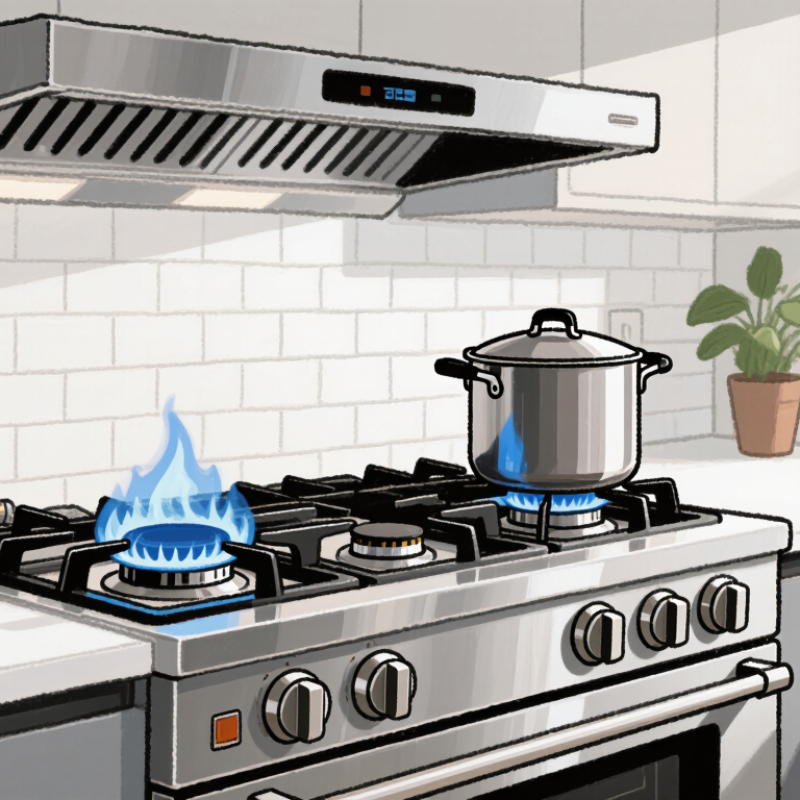
During a practical kitchen check, place a full pot on each burner. The stove should remain steady without rocking. Observe whether the flame stays mostly blue and spreads evenly beneath the cookware. Yellow flames, unusual noise, or delayed ignition need professional inspection. I once underestimated the value of burner spacing. Two large pans may fit technically, yet their handles can collide. Measure your cookware first. A compact stove saves counter space, but cleaning and pan movement may feel cramped. Power, safety, and everyday handling should guide the choice more than polished surfaces.

Assessing Fuel Compatibility, Heat Output, and Burner Performance

Fuel compatibility is the first performance filter. Natural gas and LPG use different pressures, jets, and air mixtures. A conversion kit is not automatically safe or effective. Check the appliance plate, regulator setting, and local supply before comparing flame power. The U.S. Energy Information Administration’s 2020 Residential Energy Consumption Survey reports that natural gas heated about 47% of U.S. homes, while LPG remains important in rural areas. Availability matters.

Heat output needs context. A larger number does not always mean faster cooking. For everyday use, look for one burner near 10,000–12,000 Btu/h and another near 5,000–8,000 Btu/h. This pairing supports boiling, frying, and gentle simmering. The U.S. Department of Energy’s cooking-product test procedures evaluate energy use across different operating conditions, not only maximum flame strength. A strong burner can waste gas when its flame spreads beyond a small pan.

Burner performance shows up in small details. Place a flat saucepan over the flame and watch for even blue rings, stable ignition, and minimal yellow tipping. The pan base should heat without obvious cold sections. The International Energy Agency’s 2023 clean-cooking report also highlights the importance of reliable, controllable combustion, not merely fuel access. I would still test the simmer control carefully. Some burners drop too sharply, while others remain surprisingly hot. Manufacturer ratings can look precise, but real cookware, wind, and gas pressure change results. That limitation deserves attention.

How to Choose a Double Burner Gas Stove in 2026?

Typical burner power bands for evaluating simmering, everyday cooking, and high-heat performance.

Look for a true low setting near 0.8–1.2 kW for simmering and at least one burner reaching approximately 2.5–3.5 kW for rapid boiling or wok cooking. Confirm that the stove is engineered for your fuel: natural gas and LPG/propane require different injector sizes and supply pressures, so they should not be interchanged without the manufacturer-approved conversion parts.

The ranges shown are commonly used household gas-burner performance bands, not brand-specific ratings. Actual heat output depends on the appliance rating, gas pressure, burner design, pan size, and ventilation. Always verify the certified specifications and local installation requirements before purchase.

Checking Safety Systems, Materials, Size, and Installation Needs

How to Choose a Double Burner Gas Stove in 2026?

Checking Safety Systems, Materials, Size, and Installation Needs

Checking Safety Systems, Materials, Size, and Installation Needs

A reliable double burner gas stove should have flame-failure protection on both burners. This system stops gas flow when a flame goes out unexpectedly. Check the pan supports, too. They should feel firm, not wobble under a full pot. Heat-resistant knobs placed away from the burners can reduce accidental contact. I once focused only on burner power and overlooked knob placement. That was a useful mistake.

Materials affect daily comfort and long-term maintenance. Stainless steel surfaces resist ordinary kitchen heat and wipe clean easily. Cast-iron supports usually provide stronger stability, but they are heavy and may need careful drying. Look for sealed burner areas when possible. Small gaps collect grease quickly. Burner caps should sit evenly, with no visible bending or loose movement.

Tips: Measure twice. Record the countertop opening, cabinet clearance, gas connection position, and ventilation space. Confirm the stove matches your available gas type before purchase. Installation should be handled by a qualified gas technician following local requirements. Do not force a connector or stretch the gas hose behind the cabinet. Leave enough room for a pan handle and safe cleaning. A compact stove may fit perfectly, yet still feel crowded during real cooking. Painfully easy to miss.

Comparing Efficiency, Maintenance Requirements, and Long-Term Costs

Choosing a double-burner gas stove in 2026 requires more than comparing flame size. The U.S. Department of Energy estimates conventional gas cooking efficiency near 40%. Much heat escapes around the pan. A sealed burner with a stable blue flame can reduce waste and shorten cooking time. Check independent test details, not only maximum BTU claims. High output helps with large pots, but it can increase fuel use.

Maintenance affects the budget quietly. Clean burner ports monthly, keep pan supports level, and inspect hoses according to local requirements. Yellow flames, clicking, or uneven heating deserve prompt attention. The U.S. Consumer Product Safety Commission reported 164,500 cooking-equipment fires in 2021. Safe upkeep matters beyond appearance. Ventilation also matters. A Stanford-led study published in Environmental Science & Technology found methane leakage from gas appliances, including when they were switched off.

For long-term costs, compare purchase price, local fuel rates from the U.S. Energy Information Administration, replacement grates, valves, and service visits. My first estimate ignored small parts. That was a mistake. A cheaper stove may cost more when ignition repairs recur. Choose readily available parts and a clear service schedule. Two burners suit simple meals, but crowded cookware can waste heat and patience.

Selecting the Best Stove for Your Cooking Habits and Space

When choosing a double-burner gas stove in 2026, start with your actual cooking rhythm, not the product photo. If you usually cook rice and one stir-fry together, two independently controlled burners are essential. Frequent simmering requires stable low heat, while heavy pans need a strong, even flame. Measure twice. An EIA 2020 Residential Energy Consumption Survey reported that 38% of U.S. households used natural gas for cooking. That figure does not describe your kitchen, but it confirms gas remains a major household choice. Test knob reach and pan spacing before buying. Large cookware can crowd the front burner and make small kitchens uncomfortable.

Space changes everything. Measure counter width, depth, overhead clearance, and the distance from the nearest wall. Check the installation manual and local requirements, especially for ventilation and gas connections. NFPA’s Home Cooking Fires report found cooking equipment involved in 49% of reported U.S. home fires from 2015–2019. That statistic makes automatic shutoff, flame-failure protection, heat-resistant controls, and a usable hood practical priorities, not decorative extras. Do not assume a small stove needs less ventilation. Flame height, grease, and poor airflow still create risk.

Look for cast-iron supports that hold a small saucepan without wobbling, plus a grate that lifts easily for cleaning. Stainless surfaces may look professional, yet fingerprints and baked-on spills demand patience. For shared kitchens, front controls reduce reaching across flames; for older users, clear markings matter more than glossy finishes. One overlooked detail is burner distance: two burners are only useful when both pans fit comfortably. I would question energy claims unless testing conditions are published. In a narrow kitchen, an awkward corner may matter more than a higher heat rating.

FAQS

What is a double burner gas stove used for?

It has two burners with different heat levels. The smaller burner suits simmering soup or melting butter. The larger burner boils water quickly.

Should I choose sealed or open burners?

Sealed burners keep spills away from internal parts. Open burners may heat cookware quickly. However, cleaning around open burners takes more effort.

How can I check fuel compatibility?

Confirm whether the stove supports your available gas type. Natural gas and LPG require different pressures and settings. Check the appliance plate and regulator.

What burner power is practical for daily cooking?

One burner around 10,000–12,000 Btu/h supports boiling and frying. Another around 5,000–8,000 Btu/h helps with gentle simmering. More power is not always better.

What flame behavior indicates good burner performance?

Look for steady blue rings beneath the pan. The flame should spread evenly. Yellow flames or unusual noise need professional inspection.

Which safety features deserve attention?

Flame-failure protection can stop gas flow after accidental flame loss. Stable pan supports also matter. Wobbling is unacceptable.

What size should I choose for a small kitchen?

Measure the counter opening, cabinet clearance, and gas connection position. Check pan spacing carefully. Two large pans may collide.

What materials are suitable for everyday use?

Stainless steel usually wipes clean easily. Cast-iron supports feel stable but are heavy. Dry them carefully after cleaning. Small gaps collect grease.

Should I install the stove myself?

Gas installation should follow local requirements and use a qualified technician. Never force a connector or stretch the hose. Leave room for ventilation and pan handles.

Conclusion

Choosing the right Double Burner Gas Stove in 2026 requires more than comparing appearance and price. Start by understanding the available stove types, such as portable, built-in, and countertop models, then consider whether the appliance matches your fuel supply. Evaluate burner heat output, flame control, and cooking performance to ensure it can handle both gentle simmering and high-heat tasks. Safety should also be a priority, with features such as flame-failure protection, stable pan supports, durable surfaces, and reliable controls. Check the stove’s dimensions, ventilation needs, and installation requirements before making a decision.

Long-term value depends on more than initial cost. Compare fuel efficiency, cleaning convenience, replacement-part availability, and expected maintenance needs. A suitable stove should fit your kitchen space, cooking frequency, cookware size, and preferred meal styles. By balancing performance, safety, durability, operating costs, and everyday convenience, you can select a Double Burner Gas Stove that supports comfortable cooking and remains practical over time.

Amelia

Amelia

Amelia is a professional marketing specialist with a deep understanding of the company’s products, customer needs, and evolving market trends. As a dedicated contributor to the company’s website, she regularly creates informative blog articles that explain product features, practical applications,......