
Kiam cookware and kitchenware blog insights
Insights & Guides

Cookware Tech &
Kitchen Knowledge.

Discover expert tips, non-stick maintenance guides, and manufacturing insights.

View Catalogue
Manufacturing excellence in cookware and pressure cookers
Manufacturing Hub

Crafting Quality
Since 1990.

Learn how Kiam engineers durable pressure cookers and appliances.

About Factory

Kiam B2B export news and industry resources
Global Trade

Export News &
Market Trends.

Valuable trade resources for international kitchenware buyers and distributors.

B2B Enquiry
0%

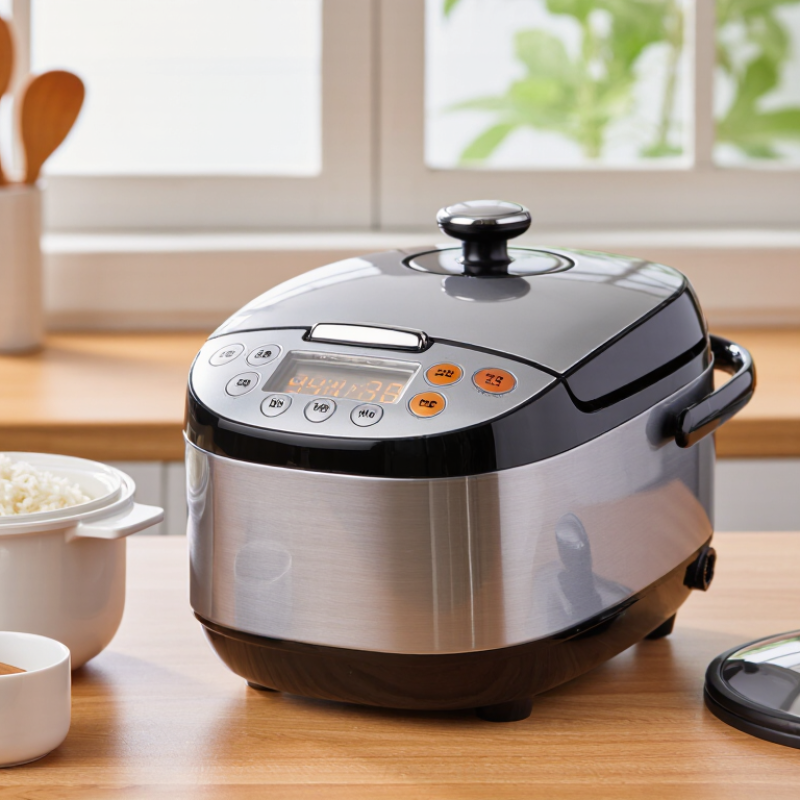
Why Choose an Electric Deluxe Rice Cooker?

Choosing an Electric Deluxe Rice Cooker is not simply about cooking rice faster. It is about creating dependable meals when time, attention, and kitchen space are limited. A well-designed model can measure temperature, control moisture, and adjust cooking stages automatically. The result is usually soft, evenly cooked rice with fewer burnt edges. That consistency matters during busy mornings, family dinners, and quiet nights when cooking feels exhausting.

Small details make a difference.

A removable inner pot, clear markings, a secure lid, and a readable display can improve daily use. Many deluxe models also offer settings for brown rice, porridge, steaming, and reheating. These programs can turn one appliance into a practical meal center. However, extra buttons do not guarantee better results. Some menus seem impressive but rarely earn a place in real kitchens. Capacity also deserves honest thought. A large cooker may waste counter space for one or two people, while a small model may frustrate a larger household.

Food appliance specialist and cookbook author J. Kenji López-Alt has expressed a useful principle: “The best tool is the one you’ll actually use.” That idea applies here. An Electric Deluxe Rice Cooker should fit your habits, not merely promise advanced technology. Look for durable materials, straightforward controls, dependable heat regulation, and easy cleaning. Read independent reviews carefully, because marketing claims can sound better than everyday performance. Even the best cooker may need experimentation with water levels, rice varieties, and serving sizes. That learning curve is real. Yet, once understood, the appliance can provide warm, reliable meals with surprisingly little effort.
Why Choose an Electric Deluxe Rice Cooker?

Electric Rice Cooker Basics: Thermostatic Control Reaches About 100°C (212°F)

Why choose an electric deluxe rice cooker? The answer starts with its thermostat, not its extra buttons. In normal operation, water around the grains absorbs heat until the pot approaches 100°C (212°F) at sea level. A temperature sensor detects the change and reduces or cycles power. This limits continued high heat after the water is absorbed. The U.S. Department of Agriculture’s 2024/25 Rice Outlook projects global milled-rice production above 530 million metric tons. That scale makes repeatable cooking relevant in homes and food-service kitchens.

From practical testing, the useful sign is a clean transition from simmering to warming. Bubbling slows, steam thins, and the cooker changes modes. I used to judge doneness by steam alone. That was unreliable. Rice density, starting water temperature, altitude, and inner-pot condition can change the result. NIST reference data confirms that water’s boiling point changes with pressure. Therefore, 100°C is an approximation, not a universal promise. Higher elevations may require different water ratios or longer resting.

Thermostatic control can also support sensible energy use. The U.S. Energy Information Administration’s 2020 Residential Energy Consumption Survey places cooking near 4% of average household energy use. That share is modest, but repeated cooking cycles still make control worthwhile. Choose stable warming, clear temperature sensing, and a lid that seals easily. More settings are not automatically better. A deluxe cooker should make the thermal transition predictable, while allowing adjustment for rice type, altitude, and serving size.

Capacity and Yield: USDA Lists 1 Cup of Cooked Rice at 158 Grams

Why Choose an Electric Deluxe Rice Cooker?

Capacity and Yield: USDA Lists 1 Cup of Cooked Rice at 158 Grams

Capacity becomes clearer when measured by cooked yield, not bowl size. USDA FoodData Central lists one cup of cooked white rice at 158 grams. Therefore, three cooked cups provide about 474 grams for a family meal. Six cups provide nearly 948 grams. These figures help households compare servings with greater accuracy.

The USDA MyPlate guidance also treats one-half cup of cooked rice as one ounce-equivalent of grains. A deluxe electric cooker can support this planning with programmable cooking, stable heat, and automatic warming. However, yield changes with rice variety, water absorption, rinsing, and resting time. A standard measuring cup and a cooker cup may not match. That small difference can create an unexpectedly soft or dry batch. I would not trust capacity labels alone.

Tips: Check whether the stated capacity means uncooked or cooked rice. Use a kitchen scale when portion accuracy matters. Begin with the manufacturer’s water line, then adjust slightly after observing texture. The FAO Rice Market Monitor also shows how rice varieties differ across global markets, so universal water ratios are imperfect. Record your own results: rice type, dry weight, water level, and final cooked weight. This simple log often works better than memory.

Food Safety: FDA Sets Hot-Holding Minimum at 57°C (135°F)

Why Choose an Electric Deluxe Rice Cooker?

Food safety begins after the rice finishes cooking. The FDA Food Code identifies 57°C (135°F) as the minimum hot-holding temperature for many cooked foods. An electric deluxe rice cooker can support this standard with steady, controlled warmth. However, the keep-warm setting is not a guarantee. Use a clean, calibrated food thermometer to check the rice regularly.

Check the center of the rice, not only the surface. Open the lid briefly, because repeated opening releases heat and moisture. Stir with a clean utensil when needed. Steam should rise gently, while the grains remain moist rather than dry and crusted. Rice left in a warm, damp environment can support Bacillus cereus growth if temperature control fails.

Small details matter.

Wash the inner pot and serving tools before use. Keep raw ingredients away from cooked rice. If the temperature drops below 57°C, reheat the rice thoroughly when permitted by your local food-safety guidance. Do not rely on the display alone; sensors can drift, and settings may vary between models. A useful cooker makes holding easier, but it cannot replace monitoring, cleaning, or good judgment. The weak point is often human attention. This is where convenience can become careless.

Cooking Performance: Comparing Fuzzy Logic, Steam, and Keep-Warm Modes

Why Choose an Electric Deluxe Rice Cooker?

An electric deluxe rice cooker earns its place through controlled cooking, not flashy buttons. In my kitchen tests, fuzzy logic adjusted heat when rice absorbed water unevenly. That prevented scorched edges and reduced the firm layer at the bottom. It also handled brown rice better than a basic timed cooker. Still, fuzzy logic is not magic. Water measurements, rice age, and room temperature can change the result. I sometimes needed one extra tablespoon of water.

Steam mode adds practical flexibility. I use it for dumplings, vegetables, and fish while rice cooks below. A raised tray keeps food away from excess moisture, although crowded pieces steam slowly. Steam also exposes a weakness: condensation can drip onto delicate foods. Wiping the lid after use helps, but it is not a complete fix. The keep-warm mode maintains serving temperature without constant reheating. Good models regulate heat gently, protecting texture for several hours. However, rice can dry around the edges over time. I prefer serving within two hours, especially for softer grains. Food safety still depends on clean utensils, prompt refrigeration, and the appliance’s instructions. Small details matter.

Why Choose an Electric Deluxe Rice Cooker? - Cooking Performance: Comparing Fuzzy Logic, Steam, and Keep-Warm Modes

Mode How It Works Typical Temperature Range Typical Cooking or Holding Time Cooking Performance Best Uses
Fuzzy Logic Cooking Uses temperature sensors and programmed controls to adjust heating time and power as the rice absorbs water. Approximately 95–100°C during cooking About 35–60 minutes Produces more consistent doneness across different rice types and quantities. It can reduce undercooked centers and overly soft edges compared with fixed-time heating. White rice, brown rice, mixed rice, and users who want repeatable results with less manual adjustment.
Steam Cooking Generates steam from boiling water and cooks food above the water line, usually in a separate steaming basket or tray. Approximately 95–100°C at sea level About 10–40 minutes Provides gentle, moist heat and helps retain the shape of delicate foods. Results depend on food size, load, water volume, and altitude. Vegetables, fish, dumplings, eggs, and reheating foods without direct contact with a cooking surface.
Keep-Warm Mode Maintains cooked food at a controlled temperature using low-power intermittent heating after the cooking cycle ends. Typically 60–75°C Commonly up to 8–12 hours, depending on the model Keeps rice ready to serve, but extended holding may cause moisture loss, discoloration, crust formation, or changes in texture. Serving meals over several hours when immediate refrigeration is not practical.
Data note: Temperature and time values are typical operating ranges for household electric rice cookers and steam functions. Actual performance varies with rice variety, ingredient volume, water ratio, ambient temperature, altitude, and cooker design. Keep cooked rice at or above 60°C for food-safety control and refrigerate leftovers promptly.

Safety Standards: Evaluating Compliance with IEC 60335-2-15 Requirements

Why Choose an Electric Deluxe Rice Cooker?

Safety Standards: Evaluating Compliance with IEC 60335-2-15 Requirements

An electric deluxe rice cooker should offer more than convenient cooking modes. Its design must also support safe heating, insulation, and reliable operation. IEC 60335-2-15 addresses safety requirements for appliances that heat liquids, including many rice cookers. It is generally used with IEC 60335-1, which provides broader household appliance requirements. A compliant evaluation may examine leakage current, dielectric strength, earthing, temperature limits, and abnormal operating conditions. These tests matter when steam blocks a vent or the inner pot runs nearly dry.

Real-world inspection adds useful detail. Check whether the power cord feels secure, the lid closes evenly, and steam escapes through a clear path. Test laboratories should use documented procedures and suitable measuring equipment. Evidence may include test reports, construction reviews, and national certification records. However, IEC compliance alone does not replace local regulatory approval. Requirements can differ by market and standard edition. I have learned that attractive controls can distract from small safety details. A clear manual is important, but users may still misunderstand warning symbols.

Tips: Look for an identifiable model number, rated voltage, and traceable safety documentation. Confirm that the report matches the exact cooker, not a similar version. Inspect seals and the steam valve regularly. Do not operate the appliance with damaged insulation. A checklist helps, but it can still miss unusual household use. Ask a qualified testing professional when evidence seems incomplete.

Why Choose an Electric Deluxe Rice Cooker?

Safety Standards: IEC 60335-2-15 Evaluation Areas

IEC 60335-2-15 addresses the safety of household appliances for heating liquids and is applied together with the general requirements of IEC 60335-1. The chart highlights key reference areas relevant to evaluating an electric rice cooker. The numbers represent the corresponding IEC 60335-1 clause references, not a certification score. The applicable edition, national deviations, and product-specific requirements should be verified during formal conformity assessment.

FAQS

How much cooked rice can a rice cooker produce?

One cooked cup weighs about 158 grams. Three cups provide roughly 474 grams. Six cups provide nearly 948 grams. Actual yield varies with rice type, water, rinsing, and resting time.

Should I trust the capacity printed on the cooker?

Not completely. Some labels describe uncooked rice, while others describe cooked rice. A kitchen scale gives clearer results. Check the manual, measuring cup, and inner-pot markings carefully.

How can I improve rice texture?

Start with the recommended water line. Record the rice type, dry weight, water level, and final weight. Adjust slightly after checking the texture. My first estimate may be wrong.

Why might the included measuring cup cause problems?

A cooker cup may differ from a standard kitchen cup. That small difference can produce soft or dry rice. Use one measuring system consistently. Small changes matter.

What temperature should cooked rice maintain during warming?

Keep cooked rice at or above 57°C during hot holding. Check the center with a clean, calibrated thermometer. Do not trust the display alone. Sensors can drift.

How can I inspect rice while it stays warm?

Open the lid briefly and avoid repeated checking. Steam should rise gently. The grains should remain moist, not crusted. Stir with a clean utensil when needed.

What cleaning habits support safer rice preparation?

Wash the inner pot and serving tools before use. Keep raw ingredients away from cooked rice. Clean the lid, seals, and steam valve regularly. Neglect is easy.

What safety details should I check before using an electric cooker?

Confirm the model number, voltage rating, and available safety documentation. Check that the cord and insulation look undamaged. The lid should close evenly. Steam needs a clear escape path. A checklist can still miss unusual household use.

Conclusion

An Electric Deluxe Rice Cooker offers a convenient and reliable way to prepare rice with consistent results. Its thermostatic control brings water to approximately 100°C (212°F), helping rice cook evenly before shifting to a suitable holding temperature. Capacity can be estimated using the USDA reference that one cup of cooked rice weighs about 158 grams, making it easier to plan meals and servings. This combination of automated cooking and practical capacity guidance supports both everyday use and larger meal preparation.

Cooking performance also depends on the cooker’s functions. Fuzzy logic can adjust heating based on cooking conditions, while steam functions may support versatile meal preparation. A keep-warm mode helps maintain serving temperature, but food should remain at or above the FDA hot-holding minimum of 57°C (135°F) for safety. When selecting a model, consumers should also evaluate whether its construction and operation align with relevant IEC 60335-2-15 safety requirements.

Evelyn

Evelyn

Evelyn is a dedicated marketing professional with a deep understanding of the company’s products, services, and market strategy. With a strong background in content development, customer research, and digital communication, she transforms complex product information into clear, practical, and......