
Kiam cookware and kitchenware blog insights
Insights & Guides

Cookware Tech &
Kitchen Knowledge.

Discover expert tips, non-stick maintenance guides, and manufacturing insights.

View Catalogue
Manufacturing excellence in cookware and pressure cookers
Manufacturing Hub

Crafting Quality
Since 1990.

Learn how Kiam engineers durable pressure cookers and appliances.

About Factory
Kiam B2B export news and industry resources
Global Trade

Export News &
Market Trends.

Valuable trade resources for international kitchenware buyers and distributors.

B2B Enquiry
0%

China has become a major sourcing base for Non-Stick PTFE Frypan production. Its factories offer broad capacity, competitive pricing, and increasingly organized quality systems. Yet supplier selection requires more than viewing attractive product photos.

Dr. Robert H. Wolke, a respected food-science expert, once expressed a useful principle: “Nonstick is a property, not a material.” That reminder matters. PTFE quality depends on formulation, surface preparation, coating thickness, curing temperature, and application control. A reliable manufacturer should explain these stages clearly. It should also provide traceable raw-material records and consistent batch testing.

The best factories usually combine automated spraying with trained inspection teams. They test coating adhesion, abrasion resistance, heat cycling, handle strength, and flatness. Food-contact documentation also deserves careful review. Certifications alone are not enough. Their scope and expiration dates must be checked.

Factory experience matters.

A strong supplier can show production samples, laboratory results, and customer references. Audits should examine ventilation, worker training, process records, and corrective actions. These details reveal more than polished brochures.

Some manufacturers still rely heavily on visual inspection. That approach can miss uneven coating edges or weak bonding beneath the surface. Buyers should request independent testing when product volume is significant. No supplier is perfect. Even an experienced factory may show occasional defects, delayed communication, or inconsistent packaging.

This guide compares China’s leading Non-Stick PTFE Frypan manufacturers through practical purchasing criteria. It considers coating performance, manufacturing expertise, export reliability, customization, and after-sales support. The final choice should balance cost with measurable quality, not promises alone.
China Top Non Stick PTFE Frypan Manufacturers?

What Is a Non-Stick PTFE Frypan?

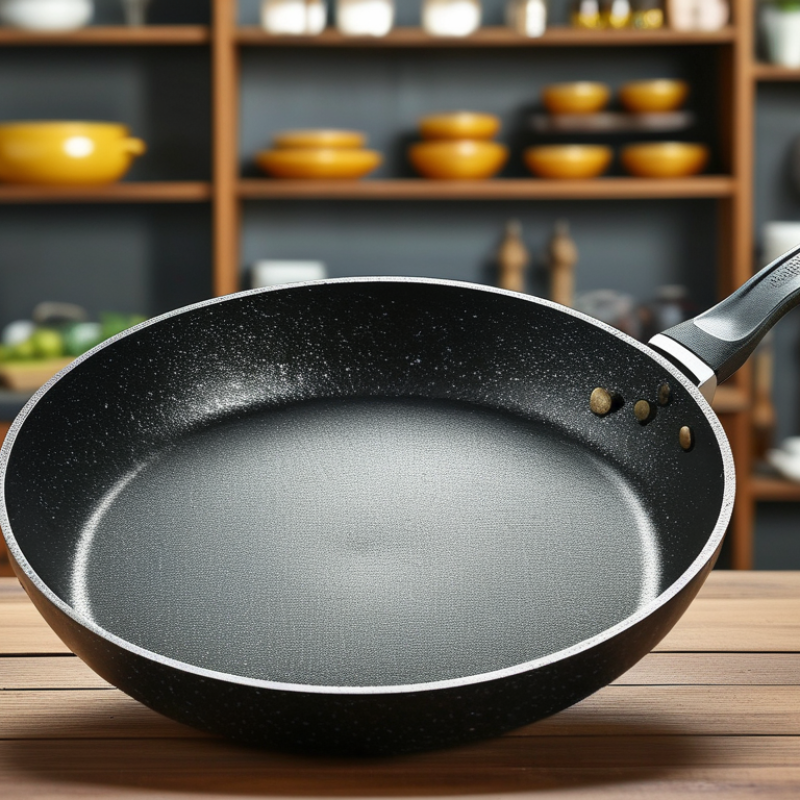
A non-stick PTFE frypan uses a smooth fluoropolymer coating to reduce food adhesion. PTFE means polytetrafluoroethylene, a material known for low friction and strong chemical resistance. Most pans combine this coating with an aluminum body for quick, even heating. Some models include a stainless-steel base for induction cooking.

In production, reliable manufacturers check the pan’s flatness, coating adhesion, surface uniformity, and handle strength. These details matter in daily use. A pan may look attractive, yet a weak coating can blister after repeated heating. I would inspect the rim and cooking surface carefully. Small scratches deserve attention. Use wooden or silicone utensils, moderate heat, and gentle cleaning. Avoid heating the pan empty for long periods, because extreme temperatures can damage the coating and create unpleasant fumes. Ventilation still helps.

PTFE is not the same as a metal coating. It can feel exceptionally smooth, but it is not indestructible. Even high-quality cookware needs reasonable care. Some manufacturers apply multiple coating layers, improving durability and release performance. However, extra layers do not remove the need for proper handling. I have found that slow heating works better than aggressive flames for eggs, fish, and thin pancakes. The result is more even cooking. It also reduces stress on the surface. Specification sheets are useful, but practical testing remains important.

Why China Is a Major PTFE Frypan Manufacturing Hub

China Top Non Stick PTFE Frypan Manufacturers?

Why China Is a Major PTFE Frypan Manufacturing Hub

China has become a major PTFE frypan manufacturing hub because its supply chain is unusually complete. Aluminum sheet suppliers, stamping workshops, handle makers, coating specialists, and packaging factories often operate within practical shipping distance. This shortens production cycles and reduces coordination problems.

Manufacturers can support many frypan sizes, base designs, handle materials, and surface finishes. Their equipment commonly includes automatic stamping presses, controlled spray lines, and industrial curing ovens. These details matter. A smooth coating depends on surface preparation, spraying thickness, curing temperature, and careful cooling.

Experienced buyers should inspect more than polished samples. They should review aluminum thickness, coating adhesion tests, heat records, and food-contact documentation. Factory quality teams may check scratches, pinholes, warping, and handle strength before packing. Small defects can become serious customer complaints.

Cost remains important, but it should not control every decision. A low quotation may hide thinner materials or weaker inspection routines. Not every factory is equally dependable. Some workshops improve quickly, while others still rely too heavily on manual checks. That difference deserves honest attention.

China also offers flexible order coordination for international importers. Export teams can manage cartons, labels, inspection schedules, and container loading with reasonable efficiency. However, communication gaps still happen. Clear drawings, approved samples, and written tolerances prevent avoidable mistakes. A reliable manufacturer is not simply the cheapest option; it is the one that can repeat the same quality across production batches.

How Top Chinese PTFE Frypan Manufacturers Produce Their Products

China’s leading non-stick PTFE frypan manufacturers usually begin with controlled aluminum materials. They inspect thickness, hardness, and surface cleanliness before forming each pan body. Deep drawing or precision pressing creates the basic shape. Skilled technicians then smooth the rim and check the base for distortion.

The coating process requires careful preparation. Workers degrease, roughen, and clean the cooking surface before applying PTFE layers. A primer improves adhesion, while one or more top layers create the release surface. Each layer needs controlled spraying, drying, and curing temperatures. Factory ovens record time and temperature for every production batch. Too much heat can damage the coating. Too little heat may weaken bonding.

Quality teams measure coating thickness, surface uniformity, handle strength, and pan balance. They may perform abrasion, thermal cycling, and release tests using standardized procedures. Inspectors also review food-contact documentation for the destination market. Traceable batch codes connect raw materials, coating records, and final inspections. That detail matters during customer audits.

Production is not always perfect. Small color differences or minor edge marks can still appear. Reliable factories separate acceptable variation from genuine defects. They improve spraying distance, oven airflow, or polishing methods when repeated problems emerge. This practical feedback often matters more than impressive machinery. Clean work areas, trained operators, and honest inspection records remain strong indicators of professional PTFE frypan manufacturing.

Key Standards for Evaluating Chinese Frypan Manufacturers

Choosing among China’s top non-stick PTFE frypan manufacturers requires more than comparing prices. A reliable supplier should explain its coating system, aluminum grade, pan thickness, and production controls clearly. Ask for food-contact test reports relevant to your target market. Check whether an independent laboratory issued them. Factory experience matters, but old machinery can still create uneven surfaces. Request recent batch records, not only polished certificates.

Evaluate coating performance through practical tests. Adhesion testing, abrasion resistance, thermal cycling, and salt-spray checks can reveal weak production controls. Inspect the cooking surface under bright light. It should look even, without pinholes, blisters, or exposed metal. Measure pan weight and base flatness across several samples. A handle should withstand repeated tightening and torque testing. Traceable raw materials and lot numbers also support dependable quality claims.

Tips: Visit the factory or arrange a qualified audit. Watch how operators inspect coatings, pack pans, and separate defective pieces. Request pilot samples before placing a large order. Compare results after repeated heating, washing, and cooling. Do not rely on one successful sample. I once underestimated handle looseness because the first inspection was too brief. That mistake showed why long-term testing and honest supplier communication matter. A manufacturer that admits limitations may be more trustworthy than one promising perfection.

How to Choose the Right Chinese PTFE Frypan Supplier

Choosing the right Chinese PTFE frypan supplier requires more than comparing prices. Grand View Research valued the global cookware market at approximately USD 19.8 billion in 2023, with steady growth expected. This expansion attracts capable factories and inexperienced traders. Verify whether your contact owns production lines or outsources them.

Request coating specifications, aluminum grade, pan thickness, and test records. A reliable factory should explain coating adhesion, abrasion resistance, heat cycling, and food-contact testing. Ask for recent reports from accredited laboratories, not edited screenshots. ISO 9001 supports process control, but it does not guarantee pan performance. Sample testing remains essential. I have seen attractive samples fail after repeated dishwasher cycles. That weakness is easy to miss.

Tips: Compare three suppliers using identical samples and cooking tests. Check flatness after heating. Measure handle temperature. Confirm packaging, replacement policy, and production lead time in writing. Ask for batch traceability and inspection photos. Do not select the lowest quotation too quickly. According to a 2024 Mordor Intelligence cookware market analysis, manufacturing efficiency and distribution capability increasingly influence supplier competitiveness. Still, market data cannot replace a factory audit. Visit the facility, inspect raw-material storage, and observe coating preparation. Some buyers overlook this step, and regret usually appears after mass production.

FAQS

Why is China a major manufacturing hub for PTFE frypans?

Its supply chain is highly connected. Aluminum suppliers, stamping workshops, coating teams, and packaging factories often operate nearby. This can shorten production time.

What materials and processes are commonly used?

Manufacturers often form frypan bodies from controlled aluminum sheets. Deep drawing or precision pressing creates the pan shape. Workers then smooth the rim and inspect the base.

How is the PTFE coating applied?

Workers degrease, roughen, and clean the cooking surface. A primer improves adhesion, while top layers create the release surface. Controlled drying and curing follow.

Why do curing temperatures matter?

Too much heat may damage the coating. Too little heat may weaken bonding. Factory ovens should record time and temperature for each batch.

Which quality checks should buyers request?

Request coating thickness, adhesion, abrasion, and thermal cycling tests. Also check handle strength, pan balance, base flatness, and surface uniformity. Inspect samples under bright light.

What defects should inspectors look for?

Look for pinholes, blisters, scratches, exposed metal, warped bases, and loose handles. Small defects can create serious customer complaints. Do not trust appearance alone.

How can buyers evaluate food-contact safety?

Ask for food-contact documents suitable for the destination market. Check whether an independent laboratory issued the reports. Match test documents with current production batches.

Is the lowest quotation the best choice?

Not always. A low price may reflect thinner aluminum or weaker inspection routines. Compare materials, test records, and repeat-batch quality before deciding.

What helps prevent production mistakes?

Use approved samples, clear drawings, written tolerances, and confirmed packaging details. Pilot orders can reveal problems before large production begins. Communication still fails sometimes.

How should buyers judge a manufacturer’s reliability?

Arrange a factory visit or qualified audit when possible. Watch coating inspections, packing methods, and defect separation. A supplier admitting limitations may deserve more trust than one promising perfection.

Conclusion

A Non-Stick PTFE Frypan is a cooking pan coated with polytetrafluoroethylene, a smooth material that helps prevent food from sticking and makes cleaning easier. China has become a major manufacturing hub for these frypans because of its complete supply chain, skilled production workforce, advanced coating technology, and efficient metal-processing capabilities. Leading manufacturers typically combine carefully selected aluminum or other suitable bases with precision forming, surface preparation, multi-layer coating, curing, and quality inspection processes to improve durability and cooking performance.

When evaluating Chinese frypan manufacturers, buyers should consider coating consistency, heat distribution, product safety, manufacturing capacity, quality-control systems, testing documentation, and compliance with applicable food-contact requirements. The right supplier should also offer clear communication, reliable delivery, flexible customization, reasonable minimum order quantities, and consistent after-sales support. Comparing samples, factory capabilities, certifications, and production standards can help buyers select a dependable partner for long-term cooperation.

Amelia

Amelia

Amelia is a professional marketing specialist with a deep understanding of the company’s products, customer needs, and evolving market trends. As a dedicated contributor to the company’s website, she regularly creates informative blog articles that explain product features, practical applications,......