
Cookware Tech &
Kitchen Knowledge.
Discover expert tips, non-stick maintenance guides, and manufacturing insights.
View Catalogue
Crafting Quality
Since 1990.
Learn how Kiam engineers durable pressure cookers and appliances.
About Factory
Export News &
Market Trends.
Valuable trade resources for international kitchenware buyers and distributors.
B2B EnquiryWhat Is an Infrared Cooker Appliance and How Does It Work?
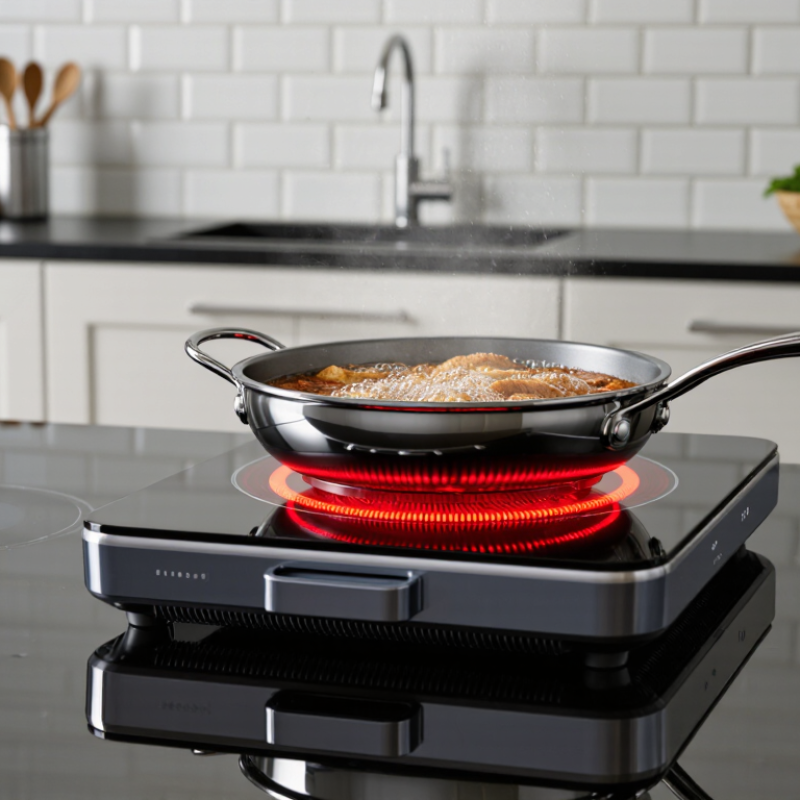
An Infrared Cooker Appliance turns electrical resistance into radiant heat. A hot element glows beneath, or above, a glass-ceramic cooking surface. Infrared energy then warms the pan directly. The pan transfers heat to food, creating visible searing, bubbling sauce, and crisp edges.
Professor Michael F. Modest, a leading thermal-radiation researcher, explains the foundation clearly: “Radiation is the transfer of energy by electromagnetic waves.” His work helps clarify why infrared heating feels immediate, yet remains different from induction. Induction energizes the cookware magnetically. Infrared heating sends radiant energy toward the cooking vessel.
Reliable energy reports offer useful context. The U.S. Energy Information Administration’s Residential Energy Consumption Survey identifies cooking as a small but measurable part of household energy use. Its 2015 survey placed cooking at about 4% of residential energy consumption. The International Energy Agency also reports that buildings represent roughly 30% of global final energy demand. Small appliance choices therefore deserve attention, even when their individual impact seems modest.
Market reports often group infrared, radiant, ceramic, and electric cooktops together. That weakens precise comparisons. Claims about dramatic savings need careful testing. Pan material, surface contact, thermostat cycling, and cooking habits change real results. I have found the glowing surface visually persuasive, but appearance is not proof of efficiency. This article examines how the Infrared Cooker Appliance works, where it performs well, and what its limitations mean in an ordinary kitchen.
Definition and Basic Structure of an Infrared Cooker
What Is an Infrared Cooker Appliance and How Does It Work?
An infrared cooker is an electric appliance that transfers heat through infrared radiation. Its main structure includes a ceramic-glass plate, heating element, reflector, temperature sensor, control board, and insulated metal housing. The element may use a halogen tube or resistance wire beneath the plate. When electricity flows through it, the element glows red and produces radiant heat. The glass surface then warms the cookware directly.
The term “infrared cooker” is not perfectly standardized. Some products use halogen heating, while others use conventional radiant resistance elements. This difference affects heat speed and temperature control. The U.S. Department of Energy reports about 74% cooking efficiency for smooth-top electric resistance units. Induction reaches about 84%, while gas cooking reaches roughly 40%. These figures show why infrared cooking can perform well, but not always best.
During use, the sensor checks plate temperature and adjusts electrical output. A reflector sends more heat upward, reducing energy loss below the housing. The hot ceramic surface can still remain dangerous after power-off. Careful users should watch residual heat indicators. The U.S. Energy Information Administration’s Residential Energy Consumption Survey assigns cooking about 4% of household energy use. That share seems modest, yet repeated daily heating makes design details meaningful. In practice, uneven cookware contact can create cooler edges. This is an easy weakness to overlook.
How Infrared Heating Technology Produces Cooking Heat
What Is an Infrared Cooker Appliance and How Does It Work?
An infrared cooker uses radiant energy to produce cooking heat. Inside the appliance, an electric heating element becomes extremely hot. It emits infrared radiation, which travels directly toward the cookware. Unlike ordinary hot-air heating, this process does not depend mainly on moving air. The pan absorbs the radiation and changes it into heat. That heat then spreads through the pan and into the food.
You can picture the process like sunlight warming a dark countertop. A suitable pan placed above the element can heat quickly, especially when its base is flat and clean. The cooking surface may glow red, although glowing is not required for infrared energy to work. Temperature controls adjust the element’s power, while the pan material affects how evenly heat moves. Thin cookware may respond quickly but develop hot spots. Heavy cookware usually heats more slowly and holds warmth longer.
Infrared heating is direct, but it is not automatically perfect. Some heat still escapes around the pan, and poor contact can reduce efficiency. In practical use, I would preheat briefly, then lower the setting once oil begins to shimmer. This prevents unnecessary surface overheating. The glass or ceramic area can remain hot after cooking, which is easy to forget. Infrared technology can feel fast and responsive, but results still depend on pan design, food thickness, and careful temperature control.
Main Components Inside an Infrared Cooker
An infrared cooker turns electrical energy into radiant heat. Its main components work together beneath the cooking surface. At the center, a quartz, halogen, or ceramic heating element glows when electricity passes through it. This element produces infrared radiation, which travels directly toward the cookware. That distinction matters. Unlike induction systems, it does not require a magnetic field or special magnetic pans.
A reflective metal layer surrounds the heating element and helps focus heat upward. Above it, a heat-resistant glass-ceramic panel supports the pan and transfers radiant energy through its surface. A temperature sensor monitors heat near the cooking zone. The control circuit uses this information to regulate power, while a thermal cutout limits dangerous overheating. Insulation below the heater protects internal wiring and the counter.
In daily use, I have noticed that the glass surface stays hot after the element stops glowing. Heat builds quickly. A cooling fan may remove heat from the control area, although not every model includes one. The pan’s material, color, and thickness also affect cooking speed. I once assumed the brightest glow meant the highest temperature, but that is not always reliable. Sensor placement and automatic power cycling can change what the eye sees. Regular inspection still matters, especially around the power cord and glass panel.
How to Use an Infrared Cooker Step by Step
An infrared cooker heats food with radiant energy from a hot ceramic or halogen element. Unlike induction models, it can warm many flat-bottomed cookware types. The surface becomes visibly hot, so handle it carefully.
Place the cooker on a dry, stable counter with clear space around it. Check the power cord and wipe the cooking surface first. Put a suitable pan in the center before switching on the appliance. Add oil or ingredients according to your recipe. Select a low setting, then increase the heat gradually. Infrared heat responds quickly, but the pan may remain hot after switching off.
Stir food often, especially vegetables, eggs, and thin meat slices. Use a timer because familiar cooking times can change on this appliance. The first attempt may brown food faster than expected. I would reduce the heat earlier next time. Never leave the cooker unattended, and keep water away from hot glass. Use dry oven gloves when moving the pan. After cooking, switch off the controls and unplug the appliance when safe. Wait until the surface cools completely before cleaning it with a soft, damp cloth. Avoid abrasive powders, sudden cold water, and covering the hot surface.
Advantages, Limitations, and Common Applications
An infrared cooker uses a heated element to emit infrared radiation toward the cookware. The radiant energy warms the pan directly, then transfers heat to the food. Unlike induction, it does not depend on magnetic fields. Many models use a ceramic or glass surface, so the cooking zone may glow red during operation.
Its main advantage is responsive, visible heating. Water can begin simmering quickly, while the flat surface makes wiping spills relatively easy. Infrared heat also works with many pan materials, including stainless steel, cast iron, and glass cookware rated for stovetop use. It suits apartments, temporary kitchens, food demonstrations, and small catering stations. A shallow pan is useful for frying vegetables, while a saucepan handles soup or rice.
Limitations deserve equal attention. The surface stays hot after switching off, creating a burn risk for children and careless users. Heat may spread unevenly when a pan has a warped base. High settings can scorch oil or delicate sauces, especially when the cook walks away. Energy efficiency also varies with pan size, lid use, and cooking habits. A small pan on a large zone wastes heat. I would not assume every “infrared” cooker delivers identical results; element design matters. In practice, lower settings and occasional stirring often produce better food, though that extra attention can feel inconvenient.
What Is an Infrared Cooker Appliance and How Does It Work? - Advantages, Limitations, and Common Applications
| Data Dimension | Key Information | How It Works or Why It Matters | Practical Notes |
|---|---|---|---|
| Basic Definition | An infrared cooker is an electric cooking appliance that uses radiant infrared heat to warm cookware and food. | An electrically heated element emits infrared radiation, which transfers heat to the base and sides of compatible cookware. | Common forms include radiant cooktops, countertop infrared burners, toaster ovens, and infrared grills. |
| Primary Heating Elements | Metal resistance coils, halogen lamps, quartz tubes, or ceramic infrared elements. | Electric current creates heat in the element. The hot element then radiates energy toward the cooking vessel or food. | The exact element type affects heat-up speed, surface temperature, durability, and control response. |
| Heat-Transfer Path | Radiation is the main transfer method, followed by conduction through the cookware. | Infrared energy heats the cookware surface; heat then spreads through the pan and into the ingredients. | A flat, clean pan base generally improves contact and heat distribution. |
| Cookware Compatibility | Usually compatible with most flat-bottom cookware, including stainless steel, cast iron, carbon steel, aluminum, copper, and glass cookware where permitted by the appliance instructions. | Unlike induction, infrared heating does not require the pan to be magnetic because the radiant element heats the vessel directly. | Avoid warped pans, unstable cookware, or vessels that exceed the cooking zone diameter. |
| Temperature Control | Power levels, thermostats, or electronic temperature controls regulate the heating element. | Many units adjust heat by cycling the element on and off or by changing the electrical power supplied to it. | The glass surface may remain hot after the element switches off, so residual-heat indicators are useful. |
| Heat-Up Performance | Generally provides direct and responsive heating, especially with halogen or high-output radiant elements. | Radiant energy begins heating the cookware as soon as the element becomes hot, without first heating a flame or burner grate. | Actual cooking speed depends on power rating, pan material, food quantity, and cookware-to-element contact. |
| Energy Efficiency | Often reduces heat loss compared with open-flame cooking because the heat source is close to the cookware and there is no combustion. | Energy is transferred directly by radiation, although some heat still escapes around the pan and through the cooking surface. | Efficiency varies with cookware size, power setting, cooking time, and the electricity source. |
| Main Advantages | No open flame, low local emissions, broad cookware compatibility, easy surface cleaning, and a relatively smooth cooking surface. | The appliance uses electricity rather than gas combustion and can provide steady heat for boiling, simmering, frying, and baking. | The absence of combustion can be beneficial in kitchens where ventilation or indoor air quality is a concern. |
| Key Limitations | The cooking surface can stay hot, heat may be less precise than induction, and fragile glass or ceramic surfaces can be damaged by impact or spills. | Radiant elements transfer heat to the pan and surface, so residual heat remains after power is reduced or turned off. | Users should lift cookware instead of sliding it and should follow the appliance’s cleaning and weight limits. |
| Safety Considerations | Burn protection, stable cookware, electrical safety, and adequate clearance are important. | The element and surrounding surface can reach high temperatures, while liquids may cause splattering or surface damage. | Keep flammable items away, use dry hands, avoid covering ventilation openings, and supervise cooking when appropriate. |
| Common Applications | Home kitchens, compact apartments, outdoor cooking areas with suitable electrical supply, food-service counters, and temporary cooking stations. | The same heating principle supports stovetop cooking, roasting, grilling, reheating, toasting, and keeping food warm. | Portable units are useful where gas is unavailable or where a temporary cooking surface is needed. |
| Best Use Cases | Boiling water, simmering sauces, sautéing, pan-frying, roasting, grilling, and reheating. | The broad, direct heat source works well for cookware-based meals and foods that benefit from surface browning. | Choose an appliance with suitable wattage, cooking-zone size, timer functions, and safety controls for the intended task. |
FAQS
It is an electric appliance that heats cookware through infrared radiation. A glowing element warms the ceramic-glass surface and pan.
Electricity heats a halogen tube, quartz element, or resistance wire beneath the plate. The element may glow red during operation.
No. It can heat many flat-bottomed pans without magnetic materials. Pan thickness, color, and contact affect cooking speed.
Common parts include a heating element, reflector, glass-ceramic panel, temperature sensor, control circuit, insulation, and thermal cutout.
Place it on a dry, stable counter with open space around it. Center the pan before switching on the appliance.
Infrared heat can build quickly, especially in thin pans. Stir vegetables, eggs, and thin meat slices often.
Yes. The ceramic surface can remain dangerously hot after the element stops glowing. Watch the residual-heat indicator.
Switch off the controls and unplug the appliance when safe. Wait until the glass cools completely.
Smooth-top electric resistance cooking uses energy efficiently, but it is not always the most efficient option. Reported efficiency is about 74 percent.
Check the power cord, glass panel, controls, and surrounding surface. Look for cracks, damage, or unusual heating.
No. Stay nearby while cooking, keep water away from hot glass, and use dry oven gloves when moving pans.
Conclusion
An Infrared Cooker Appliance is a modern cooking device that uses infrared radiation to generate and transfer heat directly to cookware and food. Unlike traditional heating methods that rely mainly on flames or hot coils, it produces heat through infrared elements, which warm the cooking surface quickly and evenly. Its basic structure typically includes an infrared heating element, a heat-resistant cooking panel, temperature controls, insulation, and protective housing. When switched on, electrical energy heats the infrared element, and the resulting radiant heat passes through the cooking surface to the pot or pan.
To use an Infrared Cooker Appliance, place suitable cookware on the cooking panel, connect the appliance to a safe power supply, select the desired temperature, and adjust the settings while cooking. After use, turn it off and allow the surface to cool before cleaning. Its main advantages include fast heating, adjustable temperature control, easy operation, and compatibility with many types of cookware. However, the surface can remain hot after cooking, energy efficiency may vary, and careful handling is necessary. It is commonly used in homes, small kitchens, dormitories, and temporary cooking areas.

Blog Tags: