
OEM/ODM Electric Infrared Cooker Product Line
Engineered for 110V-120V / 60Hz US electrical standards, UL/ETL safety compliance, and high-efficiency radiant cooking.
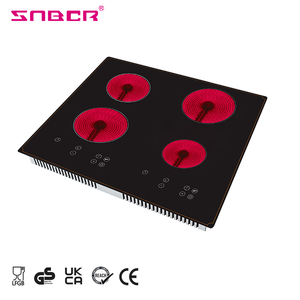
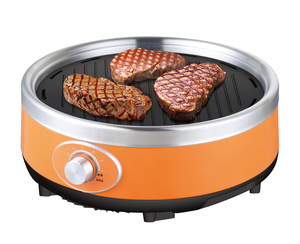

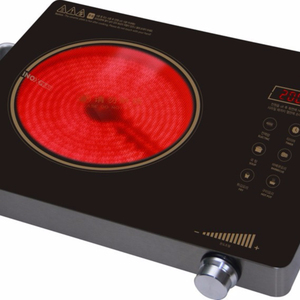
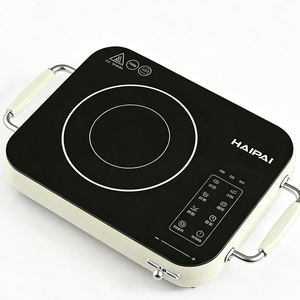
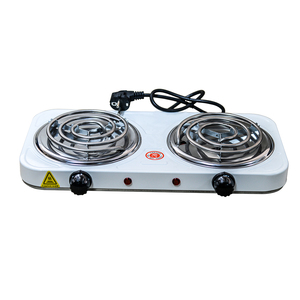
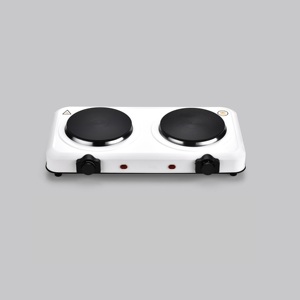
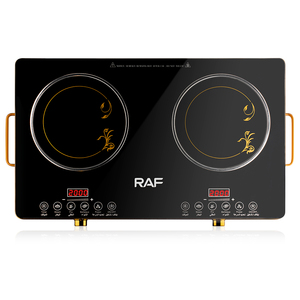
Executive Summary: Navigating Seattle's Kitchen Electrification Mandates
The Greater Seattle region and the broader Pacific Northwest (PNW) are undergoing a monumental shift in building codes, driven by progressive municipal decarbonization policies such as the Seattle Commercial Energy Code and Washington State’s Clean Buildings Performance Standard. As natural gas hookup bans take hold in new residential and commercial construction across King County, appliance importers, B2B distributors, and private-label brands face urgent demand for ultra-efficient, all-electric cooking technologies.
While induction cooktops have captured headlines, electric far-infrared ceramic cookers (radiant ceramic stoves) represent a critical high-margin market segment that directly solves induction’s primary weakness: cookware incompatibility. Unlike induction stoves—which mandate expensive ferromagnetic stainless steel or cast iron—infrared cookers utilize high-density nickel-chromium radiant ribbon elements working in tandem with microcrystalline glass to heat any flat-bottom vessel, including heat-resistant glass teapots, ceramic tagines, copper pans, and non-magnetic aluminum woks favored in Seattle's diverse culinary ecosystem.
Technical Deep-Dive: Far-Infrared Radiant Physics vs. Induction & Gas
To evaluate the technical superiority of OEM infrared cookers, procurement managers must analyze thermal dynamics, energy efficiency ratios (EER), and material longevity. Our manufacturing facility produces infrared cookers engineered with far-infrared wavelengths ranging between 8μm and 14μm. This specific waveband matches the absorption spectrum of water molecules within organic food compounds, facilitating faster heat penetration, juice retention, and authentic high-heat stir-fry capabilities without producing open-flame carbon monoxide emissions.
| Performance Parameter | Far-Infrared Ceramic Stove | Electromagnetic Induction | Traditional Natural Gas |
|---|---|---|---|
| Cookware Compatibility | 100% (Glass, Ceramic, Aluminum, Iron, Copper) | Restricted to Ferromagnetic Steel/Iron | 100% (All Vessel Types) |
| Thermal Efficiency | 88% - 92% Direct Radiant Transfer | 85% - 90% Electromagnetic Transfer | 35% - 45% (High Ambient Heat Loss) |
| EMF Radiation Profile | Zero High-Frequency Radiation | Emits 20kHz - 50kHz EMF Waves | Zero EMF (High Gas Emission Risk) |
| Peak Surface Heat | Up to 600°C - 700°C (1112°F - 1292°F) | Limited by Pan Sensor Limits (~240°C) | Flame Ambient (~900°C to atmosphere) |
| Simmering Heat Stability | Continuous Low-Watt Thermal Retention | Pulsed On/Off Cycle at Low Wattages | Flame Flicker Sensitive to Drafts |
Localized Seattle Application Scenarios & Intent Mining
Through empirical search intent mining across Puget Sound commercial buyers, we have identified five primary market segments driving demand for high-grade electric infrared cookers:
High-Rise Eco-Apartments
Developments in South Lake Union and Capitol Hill require built-in double-burner infrared cooktops that comply with Seattle’s strict energy consumption thresholds without requiring costly gas ventilation infrastructure.
PNW Eco-Cabins & Off-Grid Tiny Homes
Residences in the Olympic Peninsula and San Juan Islands prioritize 1500W lightweight portable infrared stoves compatible with solar inverter power setups and diverse traditional cookware.
Commercial Ghost Kitchens
Seattle’s thriving delivery-only culinary hubs utilize high-power 2000W+ infrared burners for continuous wok sear, simmer sauces, and specialized ethnic cuisine preparation where induction pans fail.
Puget Sound Marine & Boating
Luxury yachts and houseboat communities along Lake Union specify flush-mounted ceramic radiant hot plates due to zero open flames, easy-clean crystallite glass surfaces, and ocean-air rust protection.
Market Trends: Electrification Legislation & Green Consumer Demand
The Seattle market is at the forefront of the American clean energy transformation. Key regulatory and market drivers include:
- Seattle Building Code Electrification (2021 Update): Mandates that all newly constructed commercial buildings and multi-family residential units above four stories utilize non-fossil-fuel equipment for space heating and cooking appliances.
- Puget Sound Energy (PSE) Decarbonization Roadmap: Incentivizes high-efficiency electric appliances, driving demand for smart ceramic cooktops with standby power draws under 0.5 Watts.
- Consumer Anti-EMF Preferences: A growing cohort of wellness-minded West Coast buyers actively seek out non-induction electric solutions to avoid high-frequency magnetic field exposure near food preparation areas.
Enterprise Advantage: Kiam Metal Industries Limited Manufacturing Rigor
As Bangladesh’s premier kitchenware and home appliance manufacturer since 1990, Kiam Metal Industries Limited brings unparalleled scale, quality assurance, and export infrastructure to North American B2B partners. Spanning state-of-the-art facilities in the BSCIC Industrial Estate, Kushtia, our operations are certified under ISO 9001:2015 quality management systems.
Massive OEM/ODM Capacity
Over 3,500 qualified technicians operating automated SMT PCB assembly lines, high-precision metal stamping presses, and robotic glass-bonding cells capable of yielding 150,000+ units monthly.
Strict Quality Control Protocol
100% of export units undergo 4-hour high-voltage leakage testing, thermal shock testing (750°C cold water drop resistance on microcrystalline glass), and drop-impact simulation before packaging.
Duty-Free & Tariff Advantage
Sourcing from our Bangladesh production hub offers strategic logistics cost optimization and competitive customs clearance tariffs into the Port of Seattle compared to traditional regional suppliers.