
Featured Commercial & Consumer Cookware Lines
Precision-manufactured cookware solutions engineered for high-duty commercial kitchens, luxury HORECA establishments, and wholesale distribution networks across Kazakhstan and the wider Eurasian Economic Union (EAEU).
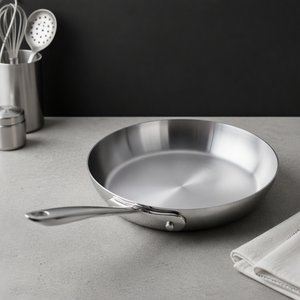
Wholesale 201 Stainless Steel Pan 3.0mm Thickness for Restaurant Use
Application: Heavy Commercial Prep
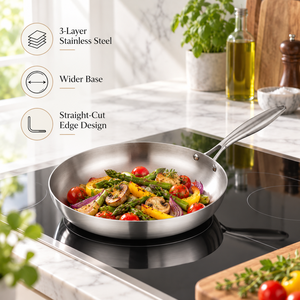
Professional 3 Ply Stainless Steel Frying Pan Wide Base Straight Cut Rim
Feature: Rapid Thermal Distribution
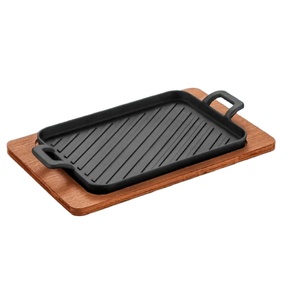
Cast Iron Rectangular Double-Handle Induction Cooker Roasted Meat Pan
Compatibility: Induction & Open Flame
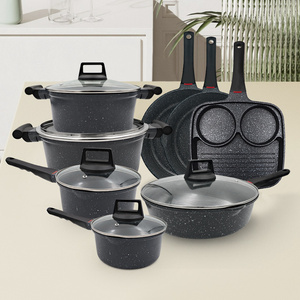
SANLANG Non-Stick Die-Cast Aluminium Cookware Set Temp Control
Handle: Thermal Sensing Ergonomic
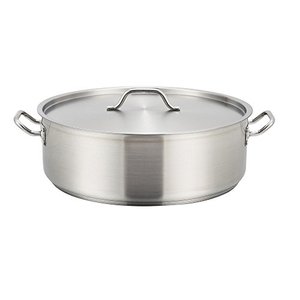
NSF Listed Korean Commercial Electric Stainless Steel Mini Cooking Pot
Power: Commercial Electric Heating
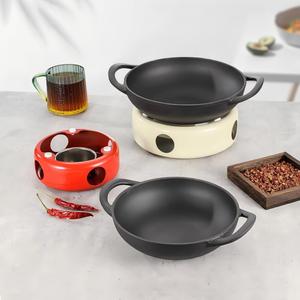
Commercial Cast-Iron Wok Stir-Fry Pan Alcohol-Fueled Retro Style
Fuel: Alcohol / Portable Induction
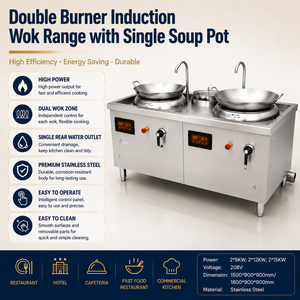
Commercial Wok Range 2x12KW ETL Induction Cooker with Soup Pot
Standards: ETL Electrical Safety
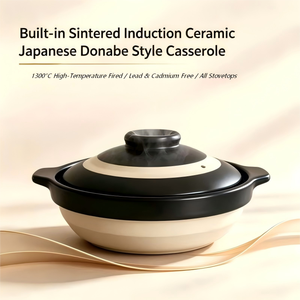
Japanese Style Handmade Ceramic Cookware Set High-Temp Induction
Use: Restaurant Table Presentation
Central Asian B2B Procurement & Manufacturing Ecosystem
The Republic of Kazakhstan stands as the economic engine of Central Asia, boasting a rapidly urbanizing population, a booming hospitality (HORECA) industry, and expanding trade networks centered around commercial hubs like Almaty, Astana, and Shymkent. As commercial infrastructure modernizes, local hospitality groups, institutional caterers, and kitchenware wholesalers are re-evaluating their sourcing strategies. Procurement managers face strict requirements: products must survive intense operational loads, conform to Eurasian Economic Union (EAEU) technical safety frameworks, and deliver high thermal efficiency under fluctuating power grid standards.
Key Procurement Takeaway: Sourcing directly from certified original equipment manufacturers (OEM) guarantees compliance with EAC (Eurasian Conformity) regulations, reduces landed supply chain overheads by up to 24%, and provides custom material formulations (such as 3.0mm heavy-gauge 201/304 stainless steel and multi-ply encapsulated induction bases) engineered for Central Asian cuisine demands.
To thrive in this competitive landscape, importers and commercial enterprise procurement teams must move beyond generic trading companies. Direct partnership with established manufacturing plants offering full OEM/ODM capabilities, automated gravity die-casting, CNC metal spinning, and specialized surface treatments provides a sustainable market advantage. This whitepaper analyzes the structural engineering, regional compliance, material science, and supply chain logistics required to source kitchen utensils for Kazakhstan successfully.
Localized Application Scenarios in Kazakhstan
Kitchen utensils deployed in Kazakhstan must balance international commercial culinary standards with traditional Central Asian cooking methods. Traditional regional preparations require prolonged high-heat simmering, heavy-capacity braising, and robust thermal retention, while modern urban dining venues in Almaty and Astana demand sleek, induction-compatible, energy-saving cookware.
Traditional High-Load Culinary Prep
Dishes such as Plov (pilaf), Beshbarmak, and roasted meats demand utensils with massive heat retention capacity. Cast iron rectangular roasting pans and heavy-gauge wok stir-fry cookware prevent heat drop during rapid meat searing and long-duration grain simmering.
Urban HORECA & Hotel Chains
Modern restaurant kitchens in Kazakhstan are swiftly transitioning to high-power induction cooktops (such as 12KW wok ranges) to comply with indoor air quality codes and trim utility expenses. Tri-ply clad stainless steel frypans with magnetic bases ensure 92%+ electrical energy transfer efficiency.
Institutional & Mass Catering
Educational facilities, mining installations in Karaganda, and corporate canteens require NSF-listed, food-grade stainless steel pots. These utensils feature double-riveted stay-cool handles, wide-base straight-cut rims, and impact-bonded base plates that resist warping under continuous usage.
Industrial Material Engineering & Specifications
Selecting the appropriate metallurgical substrate and surface technology is crucial for long-term product service life. Below is a comparative technical matrix for professional procurement officers evaluating bulk kitchen utensil imports into Kazakhstan.
| Cookware Material / Type | Metallurgical Composition | Thermal Conductivity | Corrosion Resistance | EAEU Compliance Rating |
|---|---|---|---|---|
| Heavy 201 Stainless Steel | 16-18% Cr / 3.5-5.5% Mn / 1% Ni (3.0mm) | 16.3 W/m·K | Medium Commercial Grade | EAC TR CU 005/2011 Compliant |
| Tri-Ply Clad Metal (SS-AL-SS) | 304 Interior / Pure Al Core / 430 Magnetic Exterior | 150.0 W/m·K (Core) | High (Food-Grade Acid Safe) | NSF / ETL / EAC Certified |
| Gravity Die-Cast Aluminium | A380 / ADC12 Aluminium Alloy | 96.0 W/m·K | Coated Surface Protection | FDA / LFGB / PFOA-Free Certified |
| Seasoned Commercial Cast Iron | Fe-C-Si Alloy (High Carbon Matrix) | 52.0 W/m·K (High Retention) | Seasoning Oil Layer Protection | Traditional Heavy Duty Grade |
| Commercial Ceramics | Cordierite / Alumina Silicate Complex | 3.5 W/m·K (Thermal Shock Safe) | Absolute Inertness | High-Temp Tabletop Standard |
Key Market Trends Driving Kazakhstan Sourcing
The cookware and kitchen utensil market in Kazakhstan is undergoing structural evolution, driven by economic integration, changing consumer behavior, and strict regulatory oversight. B2B buyers must align their procurement catalogues with four dominant macro trends:
1. Accelerated Shift to Commercial Induction
Rising natural gas pricing and strict fire safety regulations in commercial buildings across Astana and Almaty have driven adoption of high-wattage induction ranges (2*12KW). Utensils must incorporate 430 magnetic stainless steel bottom plates to ensure seamless induction connectivity without hot-spot burning.
2. Mandatory EAC Product Certification
Customs authorities within the Eurasian Economic Customs Union aggressively enforce Technical Regulations (TR CU 005/2011 for food-contact safety and TR CU 004/2011 for electric units). Uncertified shipments face confiscation at borders like Khorgos. Partnering with factories equipped with pre-certified test reports streamlines clearance.
3. Demand for Non-Stick Longevity
Distributors supplying major Kazakh retail chains (such as Magnum Cash & Carry) report shifting consumer preferences toward multi-layer PTFE and ceramic non-stick coatings reinforced with granite or titanium particles. Buyers demand PFOA-free guarantees and abrasion resistance exceeding 20,000 cycles under standard testing.
Manufacturing Authority & Enterprise Infrastructure
With over 34 years of industrial manufacturing heritage since 1990, our production facilities stand as a global benchmark for kitchenware engineering. Operating spanning over 150,000 square meters of automated factory floor, backed by 3,500+ skilled personnel, our enterprise integrates deep manufacturing capability with stringent quality controls.
Automated Production Lines
Equipped with 800-ton hydraulic deep-drawing presses, automated gravity die-casting cells, robotized polishing arms, and continuous non-stick spray coating tunnels, producing up to 50,000 cookware units daily.
Rigorous QC Testing Lab
In-house metallurgical testing, salt-spray corrosion analysis, thermal shock verification (-20°C to 300°C), coating adhesion cross-hatch tests, and handle fatigue testing guarantee zero-defect shipments.
Comprehensive OEM/ODM Program
Full custom engineering support—including custom bottom logo embossing, specialized Russian/Kazakh retail packaging design, custom handle tooling, and bespoke material thickness adjustments.
Kazakhstan Logistics & Land Port Routes
Shipping industrial cookware into landlocked Kazakhstan requires optimized rail and road freight logistics. Main supply routes enter via the critical dry ports of Khorgos and Alashankou/Dostyk on the China-Kazakhstan border, providing fast land transportation into Almaty distribution hubs before regional dispatch to Astana, Karaganda, and Aktobe.
Container Loading Efficiency: Our export logistics team utilizes 3D cargo stack-optimization software. By nesting cookware sets, utilizing knock-down handle designs, and employing high-density master cartons, we increase container space utilization by up to 18%, significantly lowering landed cost per unit for Kazakh importers.
Frequently Asked Questions (FAQ) for Kazakh Procurement Officers
Common technical, regulatory, and logistics queries addressed by our B2B export team for importers operating in Central Asia:
Imports into Kazakhstan require Eurasian Economic Union (EAEU) compliance documentation. This includes an EAC Declaration of Conformity under TR CU 005/2011 (Packaging and Food Contact Material Safety). For electric kitchen appliances (e.g., commercial induction ranges or electric rice pots), TR CU 004/2011 (Low Voltage Equipment Safety) and TR CU 020/2011 (Electromagnetic Compatibility) certificates are required. Our export department provides all necessary factory lab test reports, commercial invoices, packing lists, and Certificate of Origin (Form A/CO) documents to facilitate customs clearance.
Heavy 201 stainless steel (with a 3.0mm gauge thickness) offers higher yield strength and excellent resistance to mechanical deformation at a more competitive cost point, making it ideal for dry prep, high-impact cookware, and budget-conscious commercial restaurant applications. However, for cooking high-acid food (such as tomato base sauces or heavily salted stews), 304 stainless steel (18/8 Chrome-Nickel) provides superior corrosion resistance. We manufacture cookware in both grades, advising clients based on their menu profile and budgetary parameters.
For standard production lines using existing tooling, our baseline MOQ starts at 500 units per item. For customized private label branding—such as laser-etched base logos, custom handles, or Russian/Kazakh bilingual retail color boxes—the standard MOQ is typically 1,000 to 2,000 units depending on the complexity of the product shape and packaging specifications.
All cast iron items undergo automated vegetable-oil thermal pre-seasoning or high-durability enamel coating. During packaging, products are wrapped in moisture-impermeable VCI (Vapor Corrosion Inhibitor) poly-bags accompanied by industrial-grade silica gel desiccant packs within double-wall corrugated master cartons, safeguarding cargo against ocean moisture and land transit climate fluctuations.
Yes. Our commercial 12KW induction ranges are built with heavy-duty German Infini-tech IGBT modules and wide-voltage protection circuitry designed to handle standard 380V/50Hz three-phase power supply common across Kazakhstan commercial property zones, with built-in surge and drop compensation to protect against local voltage fluctuations.
Factory production lead time averages 25 to 35 days post sample approval and deposit confirmation. Rail container freight from our manufacturing terminal through Khorgos to Almaty Central Cargo Terminal typically takes 12 to 18 days depending on customs processing speeds at the border, bringing total procurement turnaround to approximately 40-50 days.
Request Your Direct Manufacturer Quotation Today
Accelerate your kitchenware procurement strategy in Kazakhstan with direct factory pricing, certified EAEU compliance, and dedicated OEM support. Click below to consult with our export engineers and download our latest B2B product catalog.