
Featured Commercial & Retail Cast Casserole Lines
Engineered specifically for North American commercial kitchens, D2C cookware brands, and large-scale restaurant distributors requiring NSF, ETL, and FDA compliance.
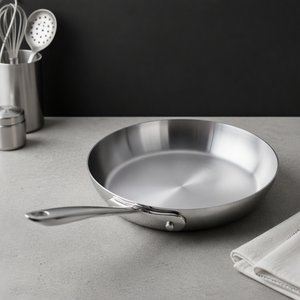
Wholesale Heavy-Gauge Commercial Casserole Pan (3.0mm Thickness)
- 3.0mm heavy-duty body construction
- High-velocity thermal absorption ring
- Dual ergonomic riveted stainless handles
- Compatible with heavy commercial ranges
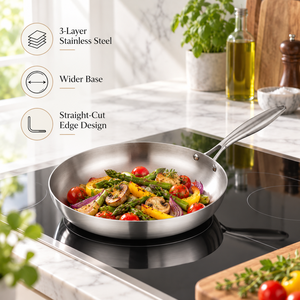
Professional 3-Ply Clad Stainless Core Casserole Stockpot
- Full 3-Ply encapsulated aluminum core
- Straight cut precision rim for clean pouring
- Oven-safe up to 550°F (287°C)
- NSF foodservice certified design
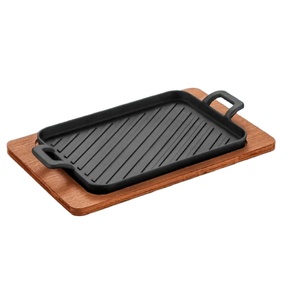
Heavy-Duty Cast Iron Rectangular Double-Handle Braiser Casserole
- Ultra-dense cast iron heat retention
- Dual wide-grip handles for chef safety
- Pre-seasoned vegetable oil finish
- Optimized flat-bottom induction contact
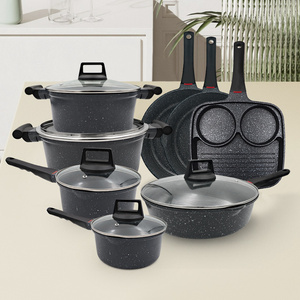
Wholesale Non-Stick Die-Cast Aluminum Dutch Casserole Set
- Precision die-cast alloy (weight ratio 1:3 vs iron)
- PFOA/PFAS-free multi-layer ceramic coating
- Integrated thermo-sensitive handle lock
- Self-basting aroma moisture lid spikes
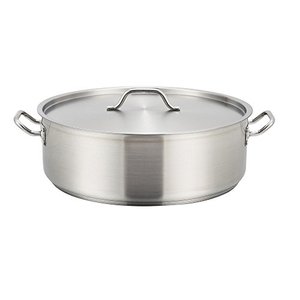
NSF Listed Commercial Electric & Thermal Casserole Unit
- NSF/ANSI Standard 4 commercial sanitation
- Precision thermostat holding temperature
- 304 surgical-grade stainless interior
- Designed for continuous buffet service
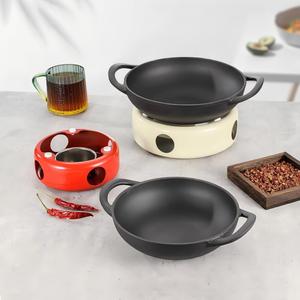
Commercial Heavy Cast-Iron Retro Sizzle Casserole Pan
- Authentic heavy cast-iron thermal mass
- Dual loop handles for table presentation
- High-heat resistant enamel/seasoned body
- Compatible with direct flame & alcohol burners
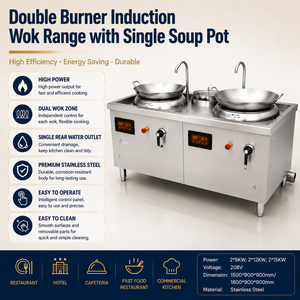
Heavy-Duty Commercial Induction Casserole & Stock Range Pot
- Engineered for high-power (12KW) induction
- Extra-thick impact-bonded magnetic base
- ETL Sanitation and US commercial safety standard
- Reinforced rim prevents warping under high heat
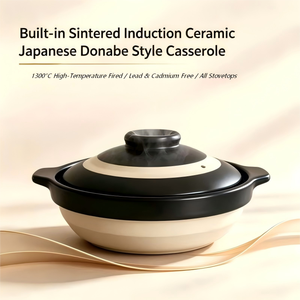
Japanese Style Ceramic Hybrid Thermal Casserole Set
- Thermal-shock resistance up to 800°F
- Non-porous glaze resists acidic stew staining
- Multi-cooktop integration (Gas, Electric, Ceramic)
- Minimalist aesthetics for upscale US dining
Navigating the U.S. Cast Casserole Landscape: Quality, Metallurgy & Compliance
The United States cookware market is undergoing a structural shift. Demand for high-performance cast casseroles—encompassing both traditional heavy cast iron Dutch ovens and lightweight die-cast aluminum braisers—has expanded beyond luxury retail into mainstream commercial foodservice, ghost kitchens, and direct-to-consumer (D2C) private labels.
For North American procurement officers, brand managers, and commercial distributors, sourcing cast casseroles requires navigating rigorous regulatory frameworks including FDA 21 CFR 175.300 compliance, California Proposition 65 lead/cadmium limits, and state-level PFAS bans (such as Maine HP 1113 & Minnesota HF 2310). Partnering with a manufacturer capable of delivering metallurgically sound, non-toxic, and warp-resistant cookware is no longer optional—it is a brand safety imperative.
This whitepaper outlines technical metallurgy, manufacturing capabilities, US market localization trends, and procurement strategies for sourcing elite-grade cast casseroles.
Key Supply Chain Takeaways
- Die-Cast vs. Sand-Cast: High-pressure die-cast aluminum yields a 65% weight reduction compared to cast iron while improving heat conductivity by 400%.
- Regulatory Readiness: 100% transition toward Sol-Gel PTFE-free ceramic coatings to satisfy evolving US environmental legislation.
- Induction Metallurgy: AISI 430 stainless magnetic spray bottom technology ensures seamless operation on 120V/208V commercial induction cooktops across US establishments.
- Factory Direct Economies: Scale production from 3,500+ skilled technicians delivers up to 30% cost efficiency versus European-sourced cast iron lines.
Metallurgical Precision: Die-Cast Aluminum vs. Heavy Cast Iron
Understanding the structural and thermal performance parameters of cast casseroles enables US buyers to select the ideal substrate for their target demographic.
High-Pressure Die-Casting (HPDC)
Utilizing 800 to 1,200-ton cold-chamber die-casting presses, liquid ADC12 aluminum alloy is injected under high pressure into steel molds. This produces casseroles with zero internal porosity, uniform wall thickness (3.0mm to 5.0mm), and high thermal efficiency that eliminates hotspots during simmer cooking.
Thermal Conductivity Comparison
Cast aluminum possesses a thermal conductivity of ~205 W/m·K, compared to grey cast iron at ~52 W/m·K. Die-cast casseroles respond four times faster to flame or induction heat adjustments, resulting in reduced kitchen energy consumption and precise temperature control for delicate sauces.
Multi-Layer Coating Integrity
Our production lines apply three-layer PTFE or Sol-Gel ceramic non-stick systems engineered by Greblon and Whitford. Cured at 420°C, these surfaces withstand over 40,000 abrasion cycles under test standard BS 7069, guaranteeing long operational lifespans in high-volume kitchens.
Localized Application Scenarios in the United States Market
From high-end steakhouses in Texas to D2C cookware subscription brands in California, cast casseroles serve versatile culinary and commercial needs.
1. Commercial Foodservice & Restaurant Chains
In American commercial kitchens, oven-to-table casserole service is a major trend. Restaurant chains utilize lightweight 4.5-quart die-cast casseroles for braising short ribs and baking mac-and-cheese. The lighter weight reduces wrist strain for prep cooks while maintaining rich thermal heat retention during customer presentation.
2. Direct-to-Consumer (D2C) & Retail Private Labeling
E-commerce brands targeting millennial and Gen-Z home cooks demand Instagram-ready aesthetics. We manufacture die-cast Dutch ovens in custom matte pastel colorways (sage green, cream, terracotta) with stainless steel knob accents, packaged in ISTA-3A certified drop-test shipping cartons for safe home delivery.
3. Hospitality & Buffet Banqueting
Hotels and casino resorts rely on electric and induction-compatible casseroles for breakfast and dinner buffets. Our cast casseroles feature magnetic steel bottom plates engineered to interact seamlessly with drop-in induction warmers, keeping soups and gravies at constant FDA-mandated safe holding temperatures (>140°F).
4. Outdoor Living & BBQ Culinary Accessories
With the rise of outdoor kitchens, pellet grills, and smokers across the US Sunbelt, heavy cast iron casseroles and braisers are increasingly used directly inside gas grills and smokers. Our high-temperature enamel and pre-seasoned cast iron casseroles withstand open flame up to 800°F without thermal fracturing.
US Localized Market Trends & Regulatory Shifting
Strategic alignment with incoming regulatory changes and consumer preferences gives B2B importers a measurable competitive advantage.
The PFAS-Free Legislation Mandate
US states including California, Minnesota, and Maine have enacted stringent bans on intentional PFAS (per- and polyfluoroalkyl substances) in cookware. Procurement teams are replacing traditional fluoropolymer coatings with Sol-Gel Ceramic non-stick coatings derived from natural silica, offering heat tolerance up to 450°C and 100% compliance with legislative guidelines.
Ergonomic Weight Optimization
Traditional 6-quart cast iron Dutch ovens weigh over 14 lbs empty, posing usability challenges for aging demographics and fast-paced commercial kitchens. High-wall die-cast aluminum casseroles deliver equal volumetric capacity at under 4.8 lbs, significantly lowering shipping weight and improving everyday kitchen ergonomics.
Universal Induction Compatibility
With cities across North America adopting clean energy building codes and commercial kitchens switching from natural gas to induction ranges, 100% of cookware exports must feature induction bases. Our patented impact-bonded AISI 430 stainless steel bottom plates ensure full energy transfer on all induction cooktops.
Technical Specification & Performance Matrix
Direct metallurgical side-by-side comparison for OEM product line selection.
| Performance Criterion | Die-Cast Aluminum Casserole | Enameled Cast Iron Casserole | 3-Ply Clad Stainless Casserole |
|---|---|---|---|
| Average Weight (5-Quart) | 4.2 – 4.8 lbs (Ultra-Light) | 13.5 – 15.0 lbs (Heavy) | 5.8 – 6.5 lbs (Medium) |
| Thermal Conductivity | 205 W/m·K (Fast heating) | 52 W/m·K (Slow heating, long retention) | 150 W/m·K (Balanced) |
| Hot-Spot Susceptibility | Near Zero (Uniform 4.5mm casting) | Moderate during rapid heating | Very Low (Encapsulated core) |
| Coating & Safety Compliance | PFAS/PFOA-Free Ceramic or PTFE | Vitreous Lead-Free Enamel (Prop 65) | Uncoated 304 Surgical Stainless Steel |
| Oven Safe Max Temp | 450°F (232°C) with Lid | 800°F (426°C) | 600°F (315°C) |
| Induction Efficiency | 94% (Sprayed 430 Plate) | 98% (Native Ferrous Material) | 95% (Magnetic Stainless Exterior) |
| FOB Unit Cost Ratio | 1.0x (Optimal ROI) | 2.2x – 3.0x (High Shipping Cost) | 1.6x – 2.0x |
Enterprise Manufacturing Strengths & Global Capacity
Founded in 1990, Kiam Metal Industries Limited operates out of the BSCIC Industrial Estate in Kushtia, spanning comprehensive casting, polishing, and coating facilities.
Massive Industrial Footprint
Our state-of-the-art manufacturing campus employs over 3,500 qualified workers and engineers. Operating multi-stage automated die-casting lines, we produce tens of thousands of cookware units daily to satisfy high-volume B2B contract orders.
ISO & NSF Certified Quality Controls
Every batch of cast casseroles undergoes spectrographic alloy purity analysis, coating thickness testing (Elcometer), dishwasher resistance testing, and drop-test packaging verification before container loading.
Full OEM/ODM Customization
From initial 3D CAD modeling and rapid prototyping to custom die creation, laser logo engraving, silicone handle lid integration, and bespoke color enamel coating, we bring your product vision to reality.
Frequently Asked Questions for US Procurement Buyers
Clear answers regarding compliance, tariffs, custom tooling, and supply chain logistics for North American imports.
Request a Customized B2B Quote & Factory Sample Kit
Connect directly with our senior engineering and export trade management team to discuss custom tooling, bulk pricing, and compliance documentation for the US market.